
When Should You Use Fine Or Course Threads
When Should You Use Fine Or Course Threads - Fine threads excel at gripping dense materials like wood. The coarse threads are suited for most applications; Fine threads provide finer adjustment since they advance less per rotation than coarse threads. They also have larger tensile stress areas which in turn make them stronger in tension than coarse threads. They need longer thread engagements and are more prone to damage and thread fouling. Consider the following factors when deciding between coarse and fine thread wood screws: First let’s look at fine compared to coarse thread. Coarse threads are best suited for applications requiring. This will depend on the specific application. Fine threads have more threads per inch so this will give you more gripping area in a smaller length. This will depend on the specific application. Bolts with coarse threads have a larger pitch (fewer threads per axial distance) compared to fine threads. Fine threads provide finer adjustment since they advance less per rotation than coarse threads. Purchase two spools or wind a bobbin from a single spool to. Fine threads excel at gripping dense materials like wood. + fine threads are more susceptible to thread galling than coarse threads. When should i use fine thread fasteners vs coarse thread fasteners? Fine threads are great for fine adjustment when compared to coarse threads. Fine threads provide enhanced precision, greater thread engagement, and resistance to corrosion. They need longer thread engagements and are more prone to damage and thread fouling. Consider the following factors when deciding between coarse and fine thread wood screws: Fine threads provide finer adjustment since they advance less per rotation than coarse threads. Coarse threads shine in rugged environments, while fine threads excel in precision and strength applications. The coarse threads are suited for most applications; They are also less suitable. This will depend on the specific application. However, fine threads are ideal for applications demanding specific strength. So what differentiates these two types of threads?. Consider the following factors when deciding between coarse and fine thread wood screws: The coarse threads are suited for most applications; Fine threads excel at gripping dense materials like wood. The coarse threads are suited for most applications; + fine threads are more susceptible to thread galling than coarse threads. Bolts with coarse threads have a larger pitch (fewer threads per axial distance) compared to fine threads. Some fasteners have coarse threads, whereas others have fine threads. Bolts with coarse threads have a larger pitch (fewer threads per axial distance) compared to fine threads. When should i use fine thread fasteners vs coarse thread fasteners? A coarse threaded bolt is specified for most applications unless there is an overriding. They are also less suitable. The choice between fine thread and coarse thread is determined by the application. Fine threads are great for fine adjustment when compared to coarse threads. + fine threads need longer thread engagements and are more prone to damage (nicking) and thread fouling. So what differentiates these two types of threads?. This will depend on the specific application. The coarse threads are suited for most applications; Some fasteners have coarse threads, whereas others have fine threads. First let’s look at fine compared to coarse thread. Purchase two spools or wind a bobbin from a single spool to. This is because the amount a nut would travel for one revolution of the fastener is less when. However, fine threads are ideal for applications demanding specific strength. This will depend on the specific application. Coarse threads shine in rugged environments, while fine threads excel in precision and strength applications. The choice between fine thread and coarse thread is determined by the application and materials used. Consider the following factors when deciding between coarse and fine thread wood screws: The coarse threads are suited for most applications; Some fasteners have coarse threads, whereas others have fine threads. Purchase two spools or wind a bobbin from a single spool to. Consider the material properties, strength requirements, environmental factors, and. They need longer thread engagements and are more prone to damage and thread fouling. Whether securing materials on a bustling construction site or crafting a delicate. Purchase two spools or wind a bobbin from a single spool to. First let’s look at fine compared to coarse thread. When should i use fine thread fasteners vs coarse thread fasteners? The choice between fine thread and coarse thread is determined by the application and materials used. + fine threads need longer thread engagements and are more prone to. The coarse threads are suited for most applications; Fine threads are more susceptible to galling than coarse threads. + fine threads are more susceptible to thread galling than coarse threads. Coarse threads are best suited for applications requiring. When should i use fine thread fasteners vs coarse thread fasteners? Fine threads provide enhanced precision, greater thread engagement, and resistance to corrosion. + fine threads need longer thread engagements and are more prone to damage (nicking) and thread fouling. A coarse threaded bolt is specified for most applications unless there is an overriding. Fine threads provide finer adjustment since they advance less per rotation than coarse threads. They need longer thread engagements and are more prone to damage and thread fouling. Bolts with coarse threads have a larger pitch (fewer threads per axial distance) compared to fine threads. This is because the amount a nut would travel for one revolution of the fastener is less when. The coarse threads are suited for most applications; They are also less suitable. Coarse threads shine in rugged environments, while fine threads excel in precision and strength applications. Coarse threads are best suited for applications requiring. Fine threads have more threads per inch so this will give you more gripping area in a smaller length. Fine threads excel at gripping dense materials like wood. First let’s look at fine compared to coarse thread. However, fine threads are ideal for applications demanding specific strength. Some fasteners have coarse threads, whereas others have fine threads.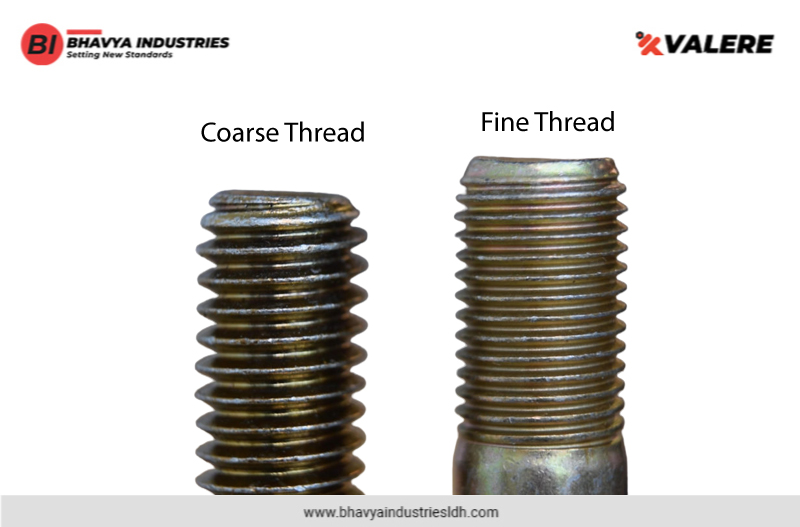
Fine Thread or Coarse Thread Fastener Which is Better?

Which should you use coarse threads or fine threads? JSK Enterprises
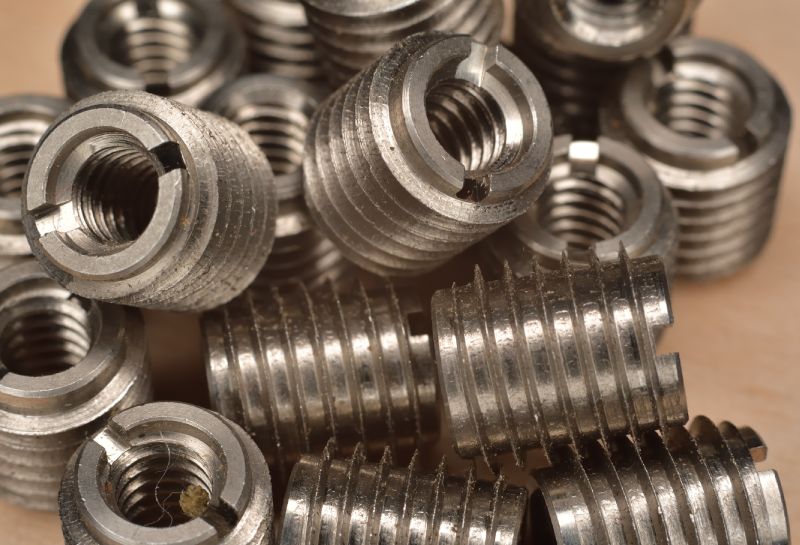
Fine vs. Coarse Threaded Fasteners

How To Choose Coarse Thread Or Fine Thread For BoltsKnowledges News
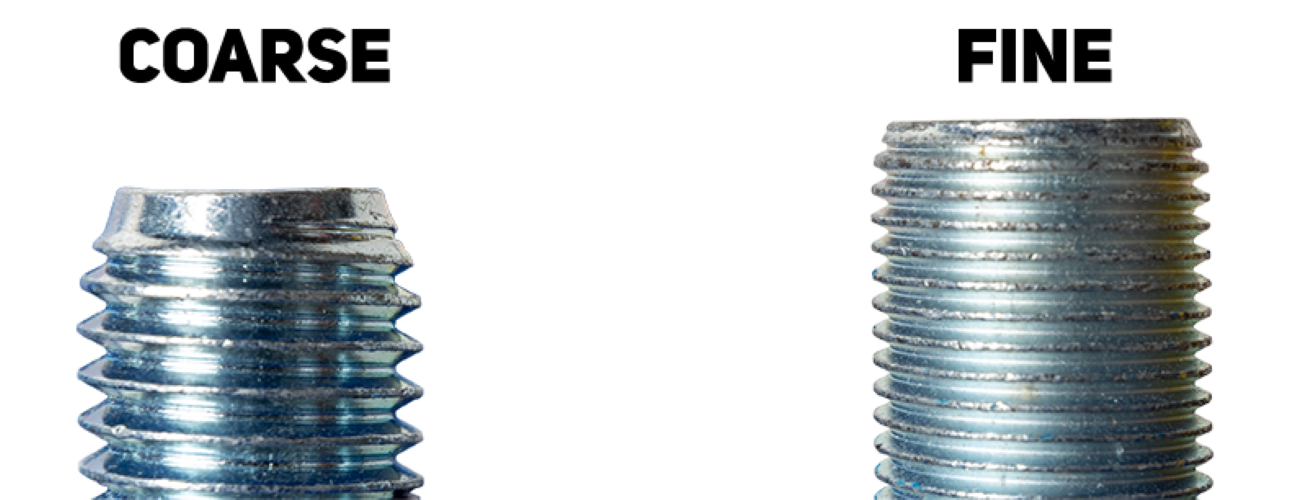
Technicals Fastener Thread Charts Fixaball Ltd. Fixings and Fasteners UK

Fine Thread vs Coarse Thread Stenght + Usage SFS USA
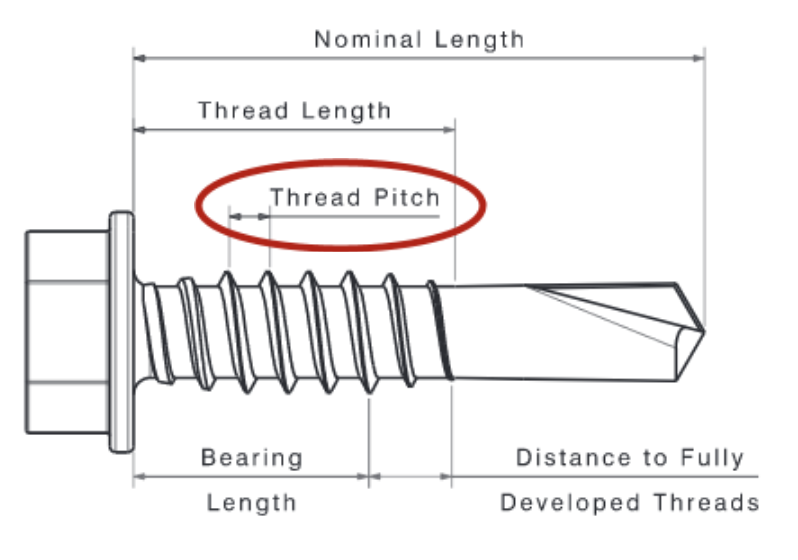
Coarse vs Fine Threads ARMPRO

Coarse Thread vs. Fine Thread Fasteners Key Differences and Uses

Coarse Thread Vs. Fine Thread Fasteners All Points Fasteners
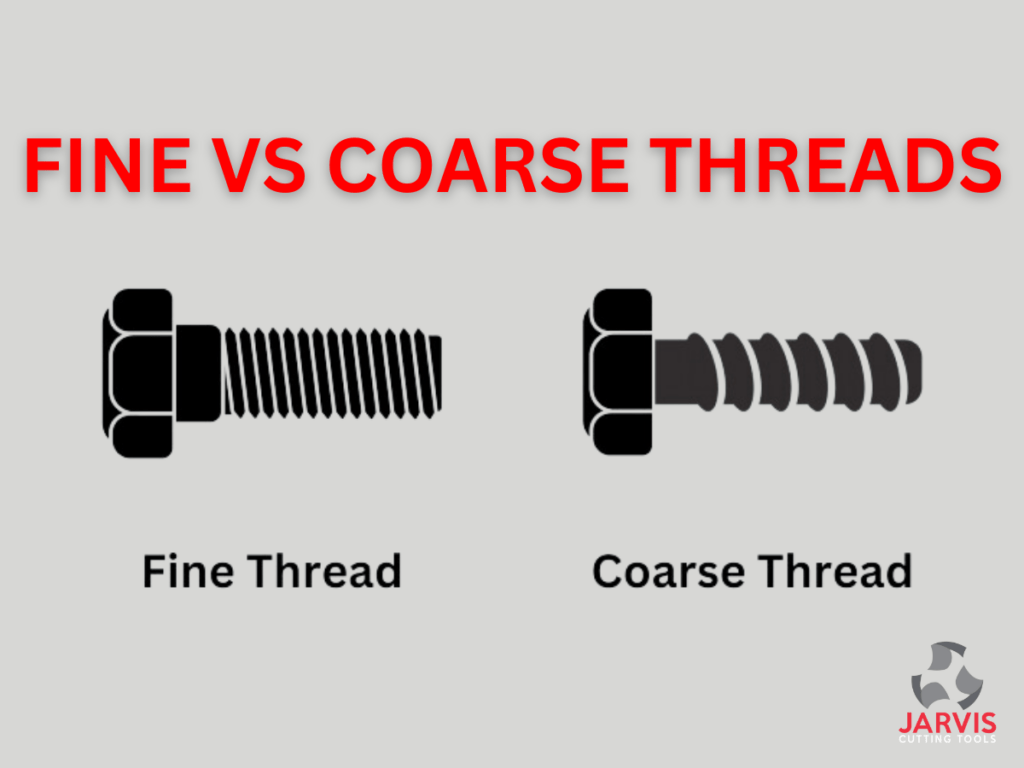
Coarse Threads vs Fine Threads Jarvis Cutting Tools
Whether Securing Materials On A Bustling Construction Site Or Crafting A Delicate.
Consider The Material Properties, Strength Requirements, Environmental Factors, And.
Consider The Following Factors When Deciding Between Coarse And Fine Thread Wood Screws:
Fine Threads Are More Susceptible To Galling Than Coarse Threads.
Related Post: