
What Are Fallthrough Courses
What Are Fallthrough Courses - Fallthrough courses are courses passed with a d or better, that are counted in your gpa but do not satisfy a specific requirement in the current audit. These are referred to in degreeworks as. That is, the course does not complete a requirement for the program. The “fallthrough courses” section holds all courses that are eligible to be applied to the degree but were not. Courses can be designated in fallthrough for a number of reasons: Fallthrough courses are courses passed with a d or better, that are counted in your gpa but do not satisfy a specific requirement in the current audit. Courses can be designated in fallthrough for a number of reasons. This block lists all courses that do not count in general education, major, concentration or any other requirement block. What are “fallthrough courses” and why do some courses appear there? The fallthrough courses section contains courses that were taken and passed that do not fulfill a requirement. What is the fallthrough section? Courses that appear under the fallthrough block are courses which a student has passed but are not applicable towards their current major Fallthrough courses are courses passed with a d or better, that are counted in your gpa but do not satisfy a specific requirement in the current audit. What are “fallthrough courses” and why do some courses appear there? • fallthrough courses are those for which the system could not find a proper fit within the audit. These are referred to in degreeworks as. If a student has changed majors, courses that once counted may no longer be required by the new major. The fallthrough courses section contains courses that were taken and passed that do not fulfill a requirement. Courses can be designated in fallthrough for a number of reasons: Courses can be designated in fallthrough for a number of reasons. Courses that appear under the fallthrough block are courses which a student has passed but are not applicable towards their current major These are referred to in degreeworks as. The grades and credit hours from these courses are factored into the overall gpa and total credit. The “fallthrough courses” section holds all courses that are eligible to be applied to. If you’ve been permitted to substitute. If a student has changed majors, courses that once counted may no longer be required by the new major. This block lists all courses that do not count in general education, major, concentration or any other requirement block. If a student has changed majors, courses that once counted may no longer be. The fallthrough. Courses can be designated in fallthrough for a number of reasons: Transfer students may have fallthrough. That is, the course does not complete a requirement for the program. Fallthrough courses can be used towards the degree, but do not naturally fit in the audit. Courses can be designated in fallthrough for a number of reasons. The grades and credit hours from these courses are factored into the overall gpa and total credit. In the audit section of degree works there is a section called “elective” but in the planner section it’s called “fallthrough course”. If a student has changed majors, courses that once counted may no longer be required by the new major. If a. Fallthrough courses are courses passed with a d or better, that are counted in your gpa but do not satisfy a specific requirement in the current audit. If a student has changed majors, courses that once counted may no longer be required by the new major. Fallthrough courses can be used towards the degree, but do not naturally fit in. What are “fallthrough courses” and why do some courses appear there? Fallthrough courses can be used towards the degree, but do not naturally fit in the audit. The “fallthrough courses” section holds all courses that are eligible to be applied to the degree but were not. Courses can be designated in fallthrough for a number of reasons: If a student. If a student has changed majors, courses that once counted may no longer be required by the new major. The grades and credit hours from these courses are factored into the overall gpa and total credit. It's most likely free electives that don't count toward your degree. Courses can be designated in fallthrough for a number of reasons. These are. Basically courses taken that don't really matter. If a student has changed majors, courses that once counted may no longer be required by the new major. The grades and credit hours from these courses are factored into the overall gpa and total credit. Courses that appear under the fallthrough block are courses which a student has passed but are not. These are referred to in degreeworks as. • fallthrough courses are those for which the system could not find a proper fit within the audit. Fallthrough courses are those that a student has taken and completed successfully that do not have a place in the audit. Fallthrough courses are courses passed with a d or better, that are counted in. Courses that were successfully completed, but do not count toward major requirements. Basically courses taken that don't really matter. What are fallthrough, insufficient, and not counted courses? The “fallthrough courses” section holds all courses that are eligible to be applied to the degree but were not. That is, the course does not complete a requirement for the program. These are referred to in degreeworks as. If a student has changed majors, courses that once counted may no longer be required by the new major. Courses can be designated in fallthrough for a number of reasons. The credits can count toward overall degree requirements. Courses that were successfully completed, but do not count toward major requirements. That is, the course does not complete a requirement for the program. Transfer students may have fallthrough. Fallthrough courses are courses passed with a d or better, that are counted in your gpa but do not satisfy a specific requirement in the current audit. The “fallthrough courses” section holds all courses that are eligible to be applied to the degree but were not. Transfer students may have fallthrough. If a student has changed majors, courses that once counted may no longer be. Fallthrough courses are those that a student has taken and completed successfully that do not have a place in the audit. Fallthrough courses can be used towards the degree, but do not naturally fit in the audit. What are “fallthrough courses” and why do some courses appear there? If you’ve been permitted to substitute. What are fallthrough, insufficient, and not counted courses?
go语言fallthrough的用法心得 迪克猪 博客园
GitHub pythonesque/fallthrough Simple fallthrough match for Rust.

Degree Works for Graduate Students ppt download
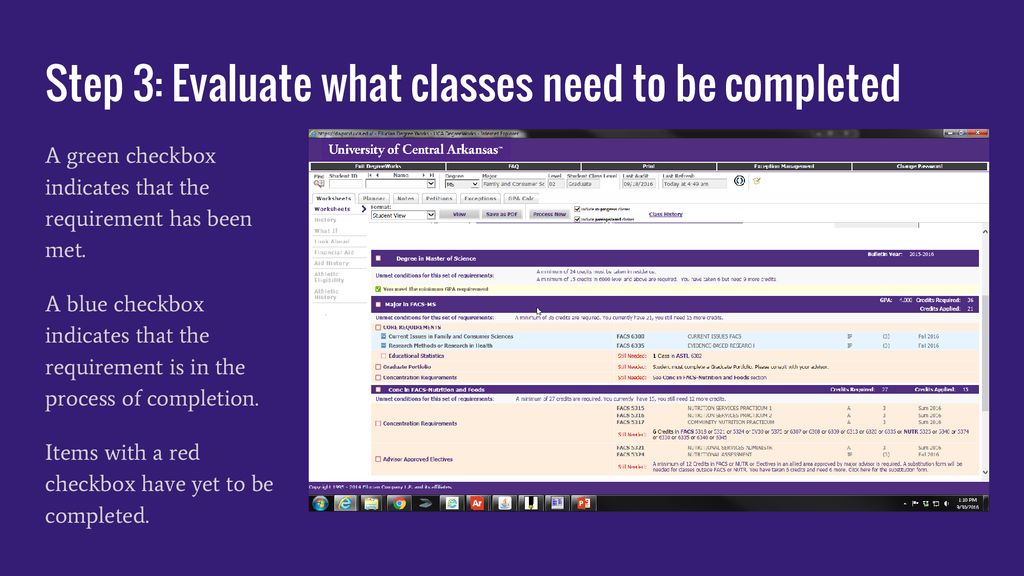
Degree Works for Graduate Students ppt download
7.5 Switch Fallthrough and Scoping Learn C++ PDF Scope
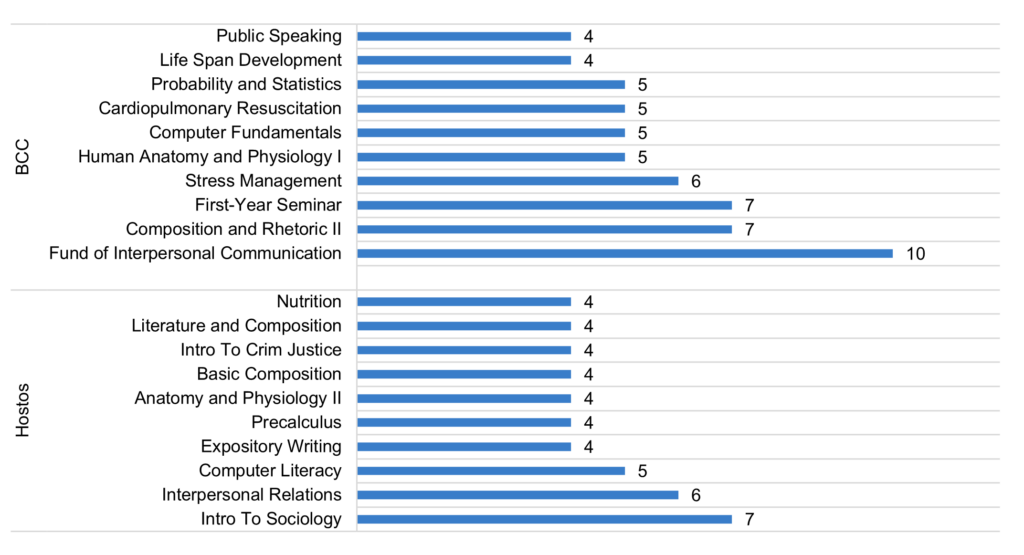
Archiving Degree Audit Data to Measure and Reduce Lost Transfer Credit
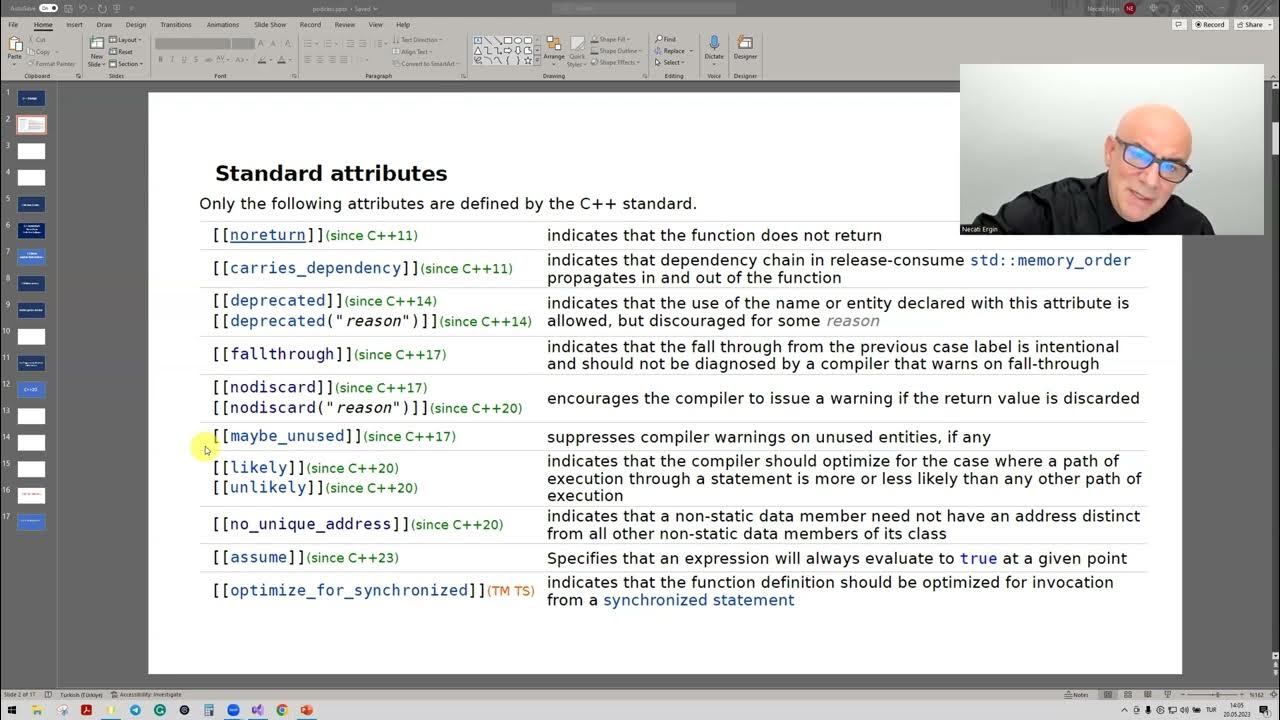
C++ Günlüğü 12 (fallthrough attribute) YouTube
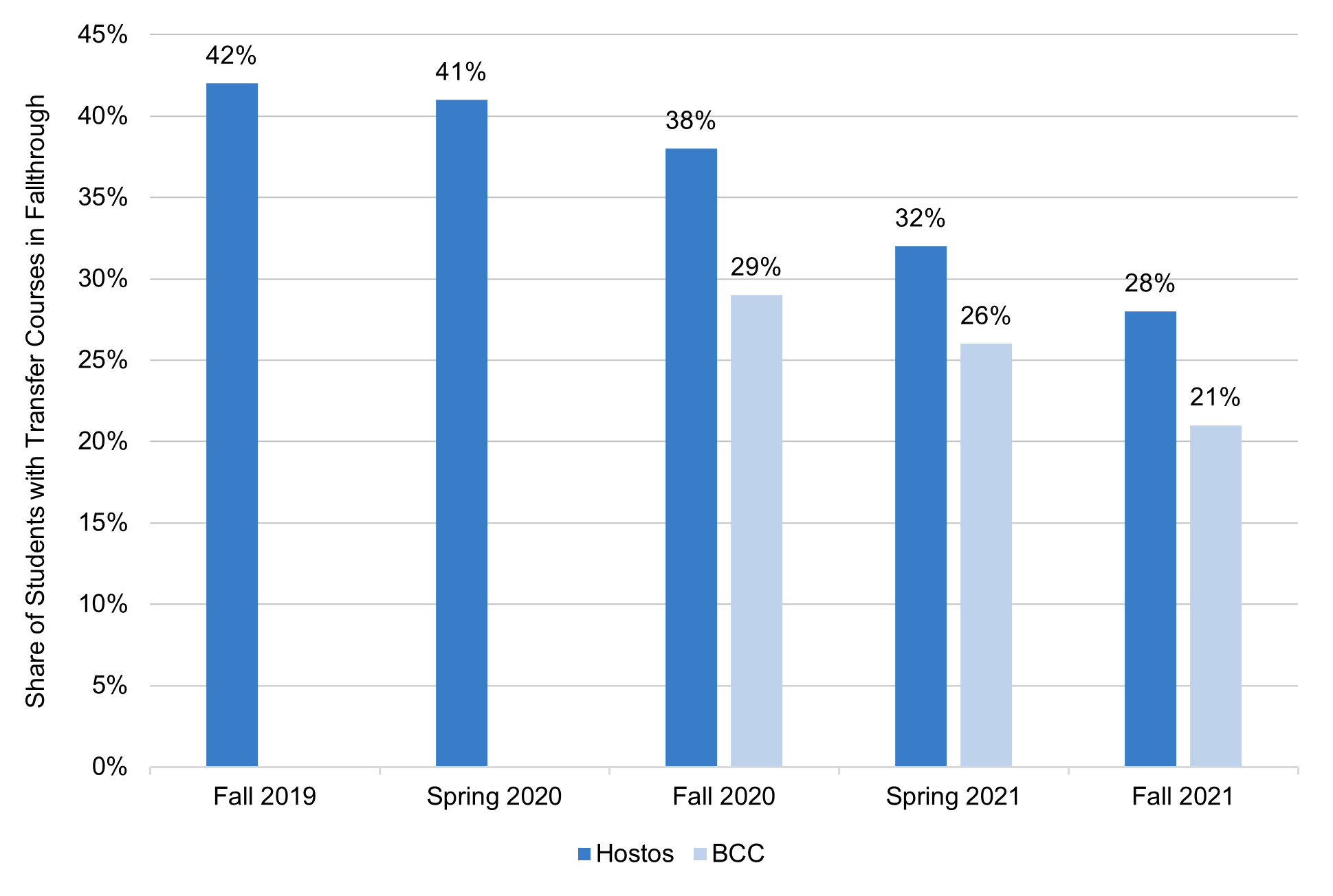
Archiving Degree Audit Data to Measure and Reduce Lost Transfer Credit
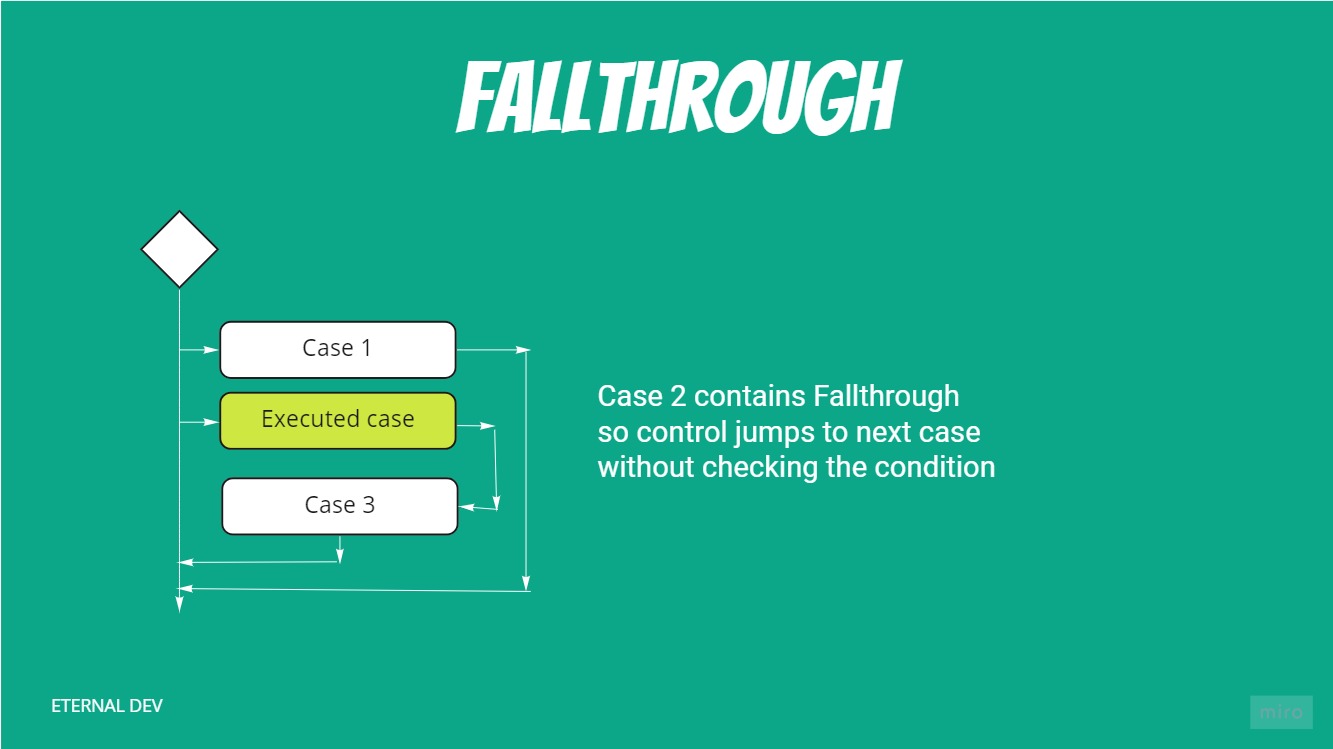
Go Switch 6 ways of using Switch in Go Eternal Dev Learn Web
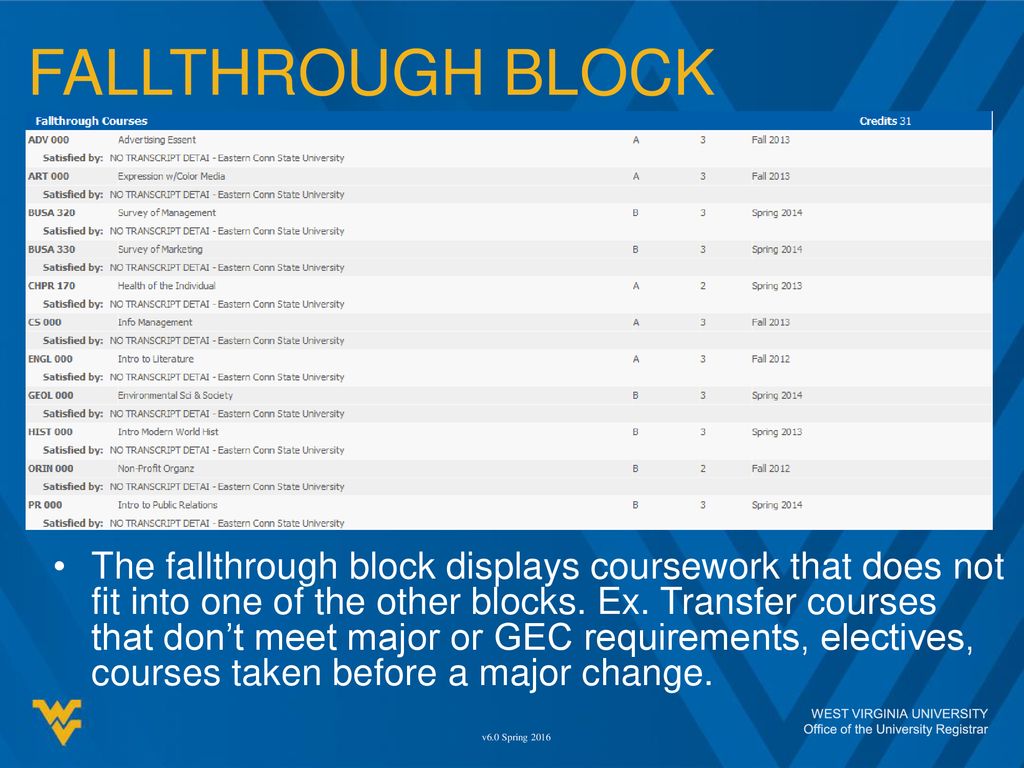
Introduction to Degree works ppt download
What Is The Fallthrough Section?
• Fallthrough Courses Are Those For Which The System Could Not Find A Proper Fit Within The Audit.
The Grades And Credit Hours From These Courses Are Factored Into The Overall Gpa And Total Credit.
Fallthrough Courses Are Courses Passed With A D Or Better, That Are Counted In Your Gpa But Do Not Satisfy A Specific Requirement In The Current Audit.
Related Post:
