
True Course Vs Magnetic Course
True Course Vs Magnetic Course - Track and course are often used interchangeably, but technically a course. In fact, as the aim reveals, “pbn systems, (with the exception of vor/dme rnav equipment) navigate by reference to true north and display magnetic course only for pilot. True course) would be the angle in degrees between the true or geographic north and the course. You can determine the magnetic variation from. Plus or minus magnetic variation gives you a magnetic heading, then compensation for compass deviation. Magnetic course is the airplane’s course across the ground, relative to magnetic north. A true heading is the course corrected for. Here is a cheat sheet showing the difference between true course, headings, & bearings along with a list of what is described in magnetic verses true, and statute miles (sm). The same is true for ifr flight: True heading corrected for magnetic variation. Track and course are often used interchangeably, but technically a course. A true heading or course is corrected for magnetic variation; In fact, as the aim reveals, “pbn systems, (with the exception of vor/dme rnav equipment) navigate by reference to true north and display magnetic course only for pilot. For example, when you plot a path from one airport to another, and then click on the course, a dialog box. Remember that because of the projection of the map, it. A true heading is the course corrected for. Magnetic cours is true course corrected for local magnetic variation. True course corrected for magnetic variation. Magnetic heading is where the airplane is pointed. Pireps report wind in degrees magnetic. It is measured from the geographic (or magnetic) north in. The same is true for ifr flight: Remember that because of the projection of the map, it. A true course is a heading based on the direction you intend to travel. What is true course vs. It is measured from the geographic (or magnetic) north in. Magnetic course determines ifr cruising altitudes. A true heading is the course corrected for. You can determine the magnetic variation from. What is true course vs. Magnetic course is the airplane’s course across the ground, relative to magnetic north. The same is true for ifr flight: Metar/taf reports wind in degrees true north. True heading corrected for magnetic variation. Your magnetic heading, corrected via use of the. Metar/taf reports wind in degrees true north. What is true course vs. A true course is a heading based on the direction you intend to travel. Magnetic course determines ifr cruising altitudes. Pireps report wind in degrees magnetic. It seems that foreflight gives course in magnetic without actually saying its magnetic. A true course is a heading based on the direction you intend to travel. What is true course vs. The same is true for ifr flight: A true heading or course is corrected for magnetic variation; In western canada, the magnetic course mc of the boat can be calculated from its true course tc measured on the chart, by applying the formula: You get magnetic course by adding or subtracting the magnetic variation shown on your chart to or. Pireps report wind in degrees magnetic. Track and course are often used interchangeably, but technically a course.. A true heading or course is corrected for magnetic variation; Pireps report wind in degrees magnetic. What is true course vs. For example, when you plot a path from one airport to another, and then click on the course, a dialog box. It seems that foreflight gives course in magnetic without actually saying its magnetic. This is the course measured from your navigation plotter when you plot your flight on your map. Track and course are often used interchangeably, but technically a course. In western canada, the magnetic course mc of the boat can be calculated from its true course tc measured on the chart, by applying the formula: Here is a cheat sheet showing. Your magnetic heading, corrected via use of the. For example, when you plot a path from one airport to another, and then click on the course, a dialog box. In fact, as the aim reveals, “pbn systems, (with the exception of vor/dme rnav equipment) navigate by reference to true north and display magnetic course only for pilot. This is the. Magnetic course is the airplane’s course across the ground, relative to magnetic north. Your magnetic heading, corrected via use of the. Magnetic course is the direction over the ground relative to the magnetic north pole. True course) would be the angle in degrees between the true or geographic north and the course. Metar/taf reports wind in degrees true north. Magnetic course is the direction over the ground relative to the magnetic north pole. Metar/taf reports wind in degrees true north. See 14 cfr 91.179, ifr cruising altitude or flight level. In fact, as the aim reveals, “pbn systems, (with the exception of vor/dme rnav equipment) navigate by reference to true north and display magnetic course only for pilot. Magnetic course is the airplane’s course across the ground, relative to magnetic north. A magnetic heading or course is not. Track and course are often used interchangeably, but technically a course. Your magnetic heading, corrected via use of the. Magnetic course determines ifr cruising altitudes. Pireps report wind in degrees magnetic. It seems that foreflight gives course in magnetic without actually saying its magnetic. A true heading or course is corrected for magnetic variation; Here is a cheat sheet showing the difference between true course, headings, & bearings along with a list of what is described in magnetic verses true, and statute miles (sm). Magnetic heading is where the airplane is pointed. True course corrected for magnetic variation. Remember that because of the projection of the map, it.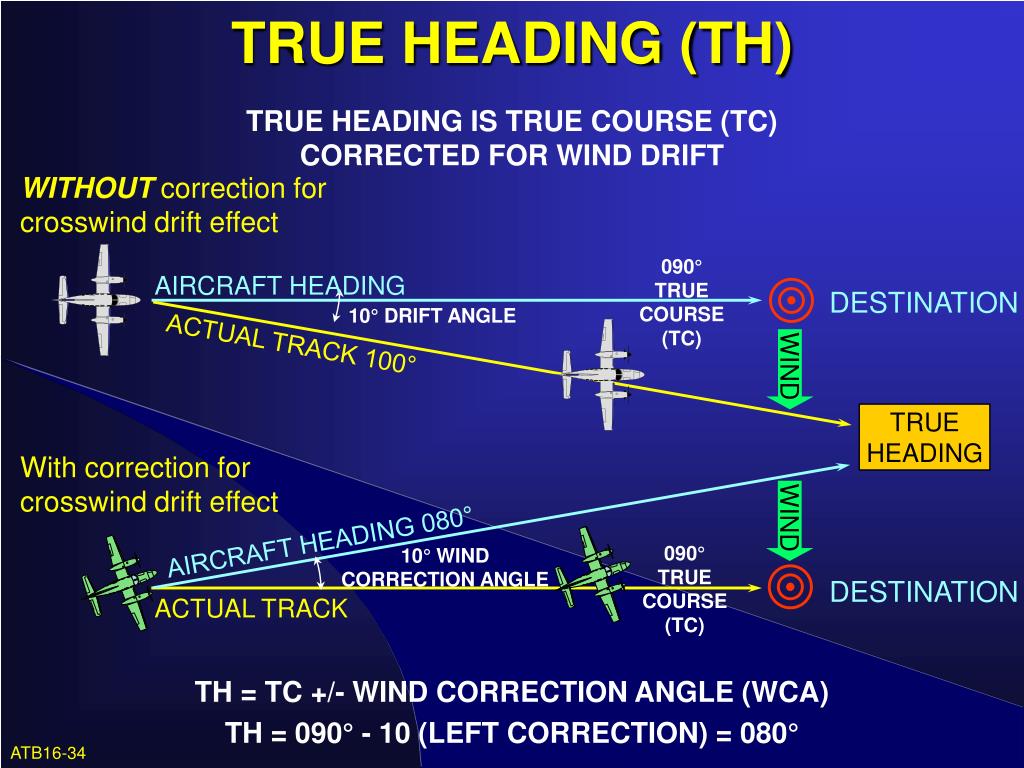
PPT Let’s see… Shall I navigate today by... PowerPoint Presentation
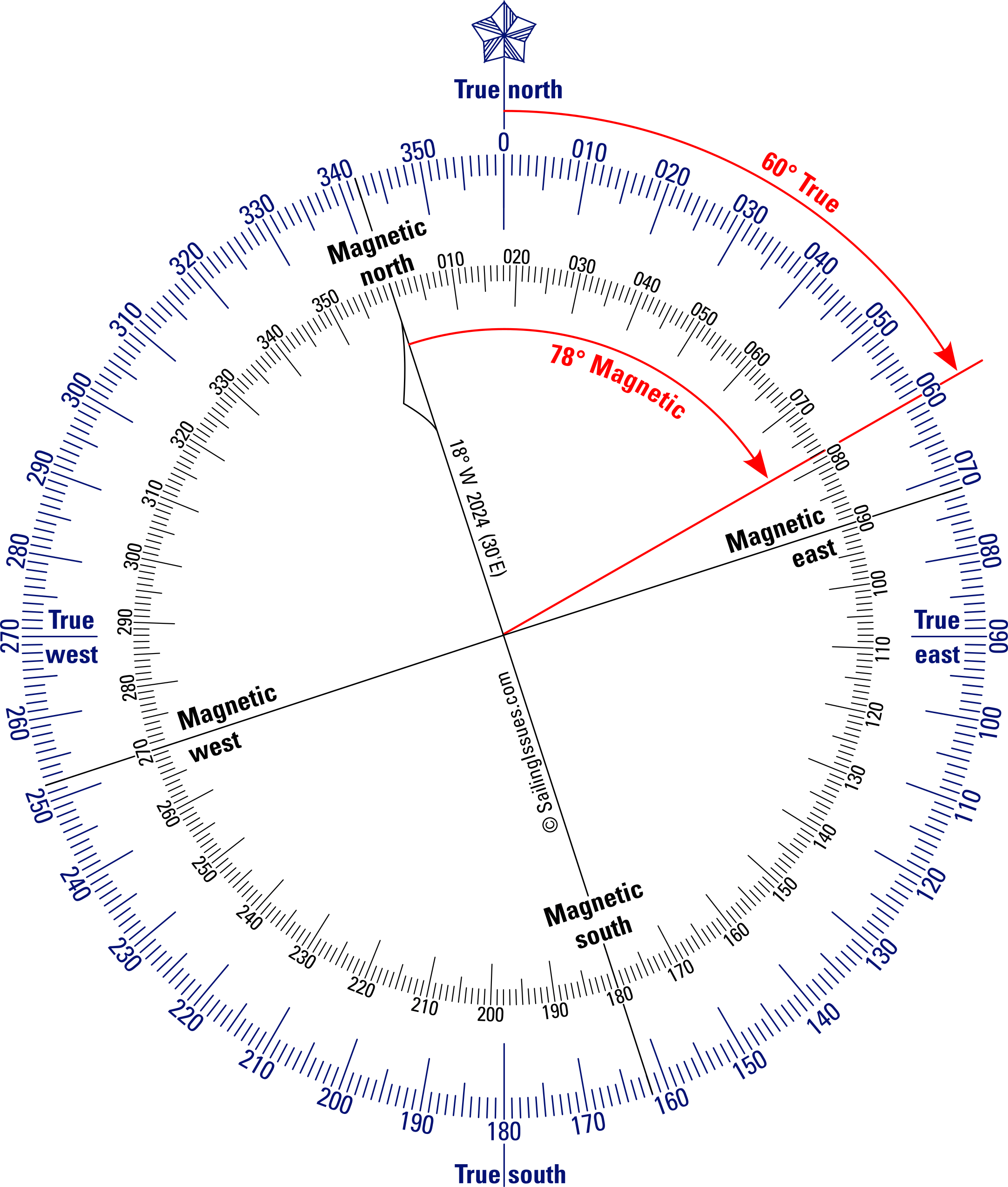
Marine navigation courses compass ASA RYA
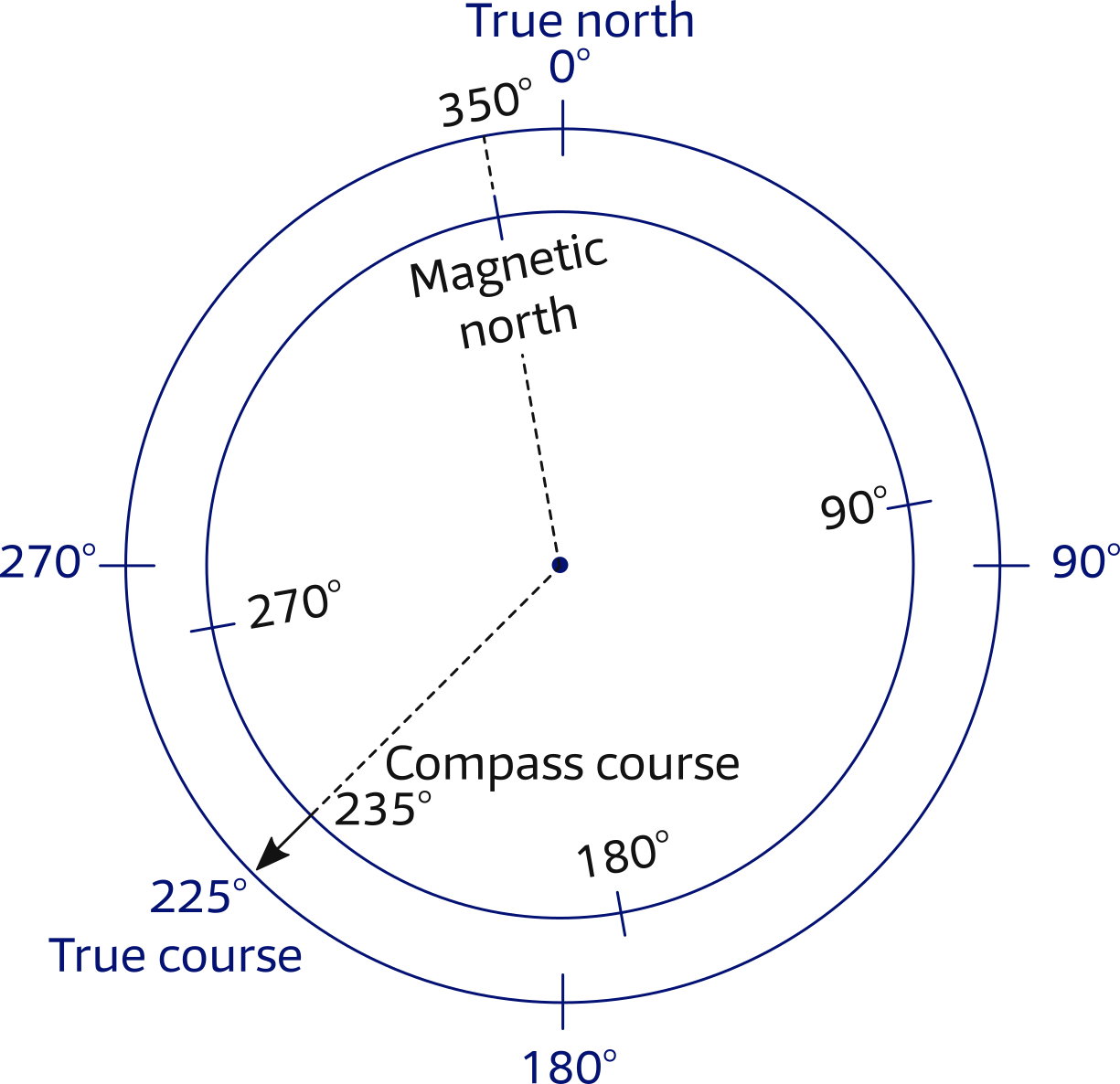
Marine navigation courses compass ASA RYA
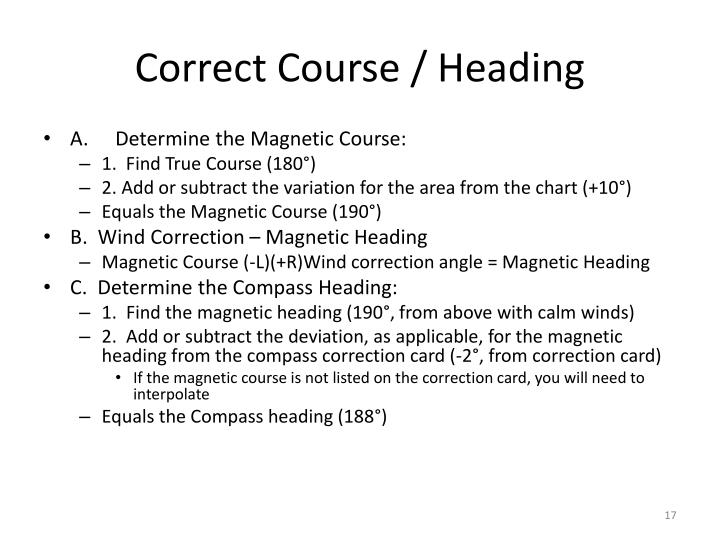
PPT COMPASS TURNS PowerPoint Presentation ID1618660
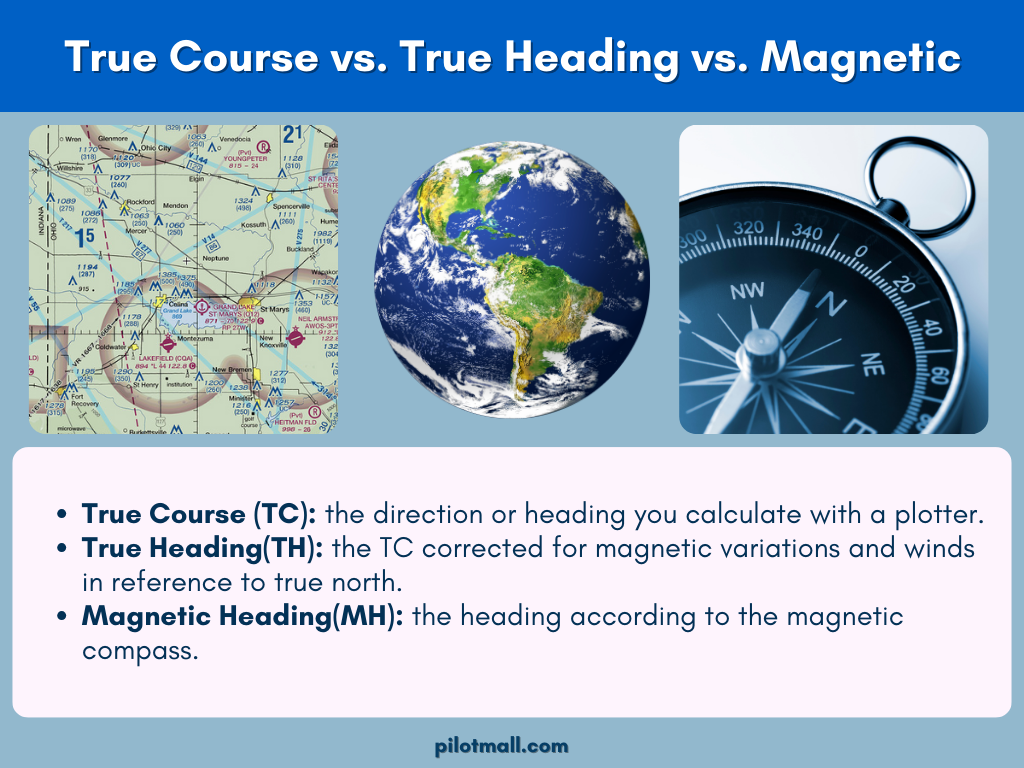
True Course vs True Heading vs (How Are They Different?)
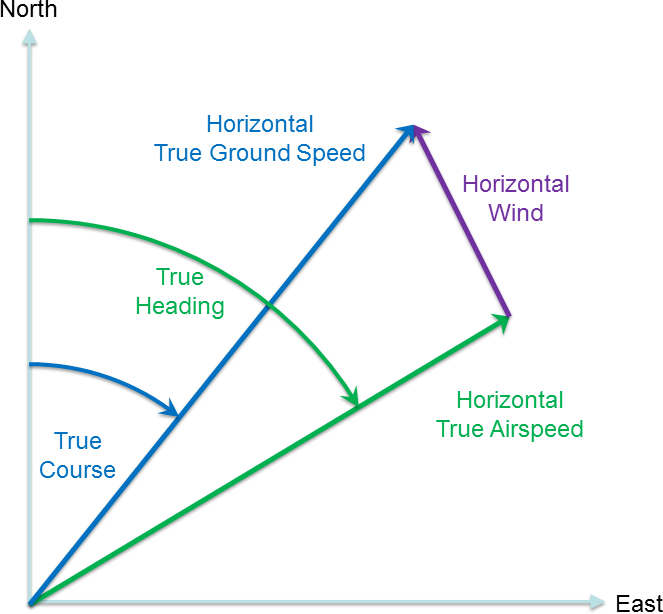
Aircraft Maneuvers STK Components for 2021 r2
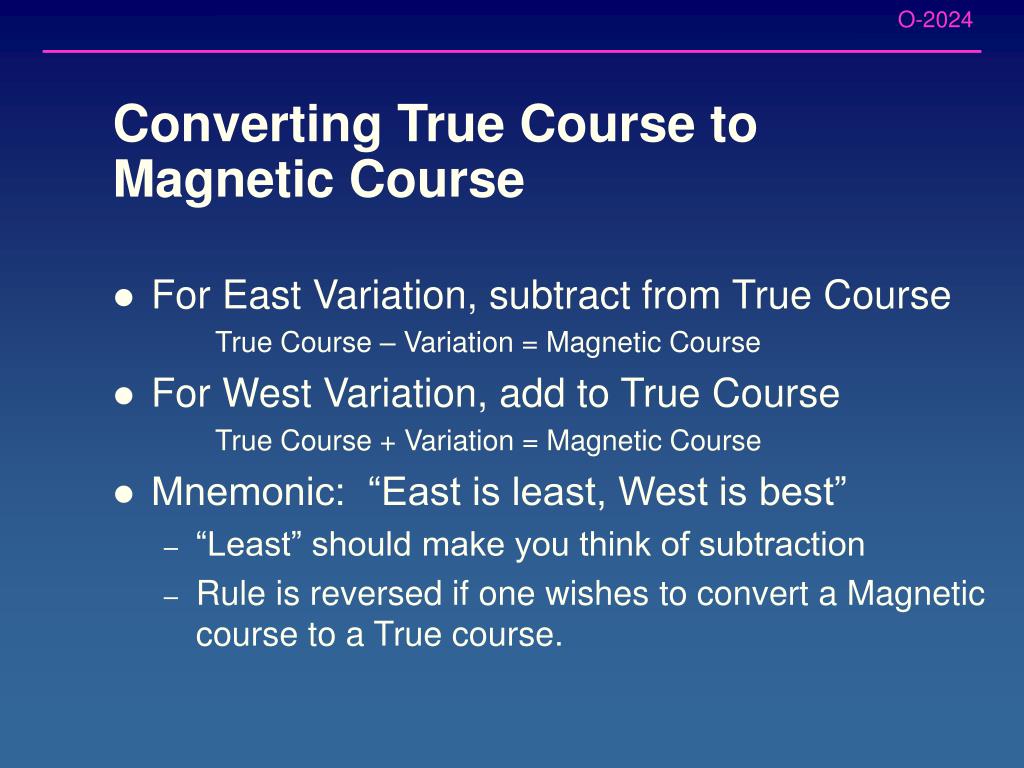
PPT Minnesota Wing Aircrew Training Task O2024 PowerPoint
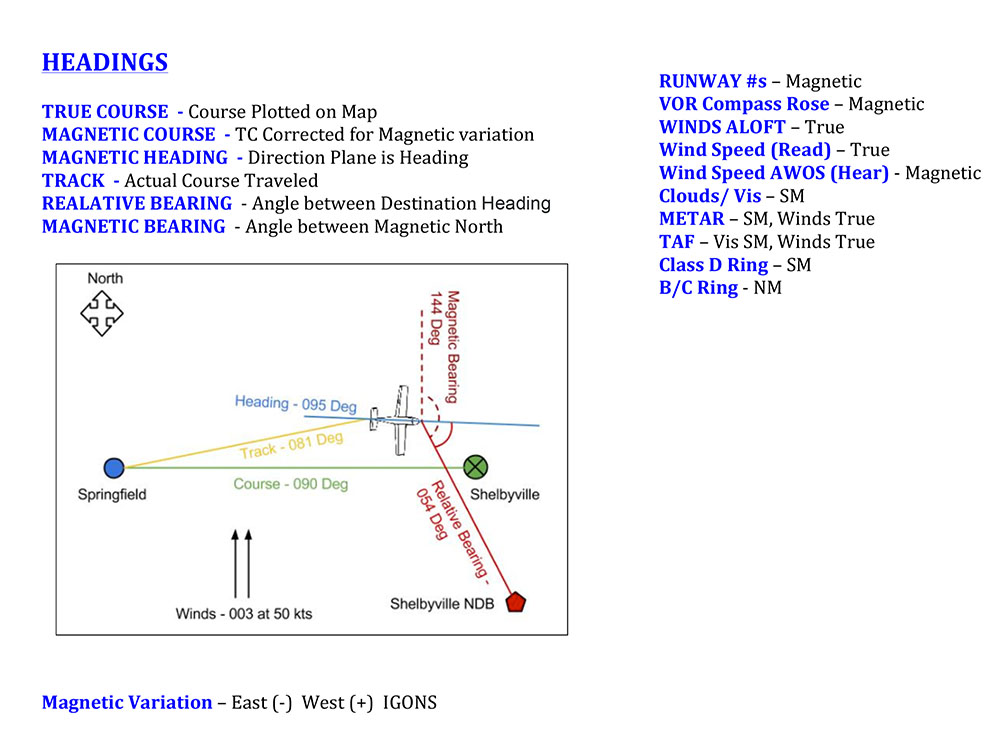
Aviation Cheat Sheets Blonds In Aviation

True and Course Courses and Headings in Navigation (Part 1/2
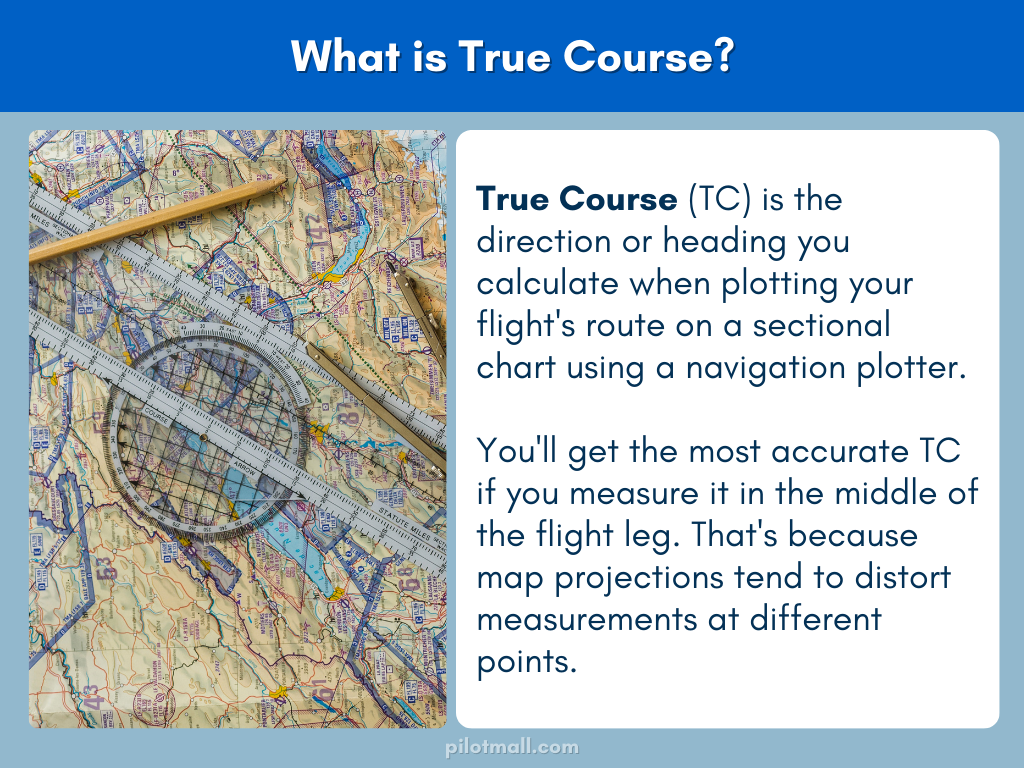
True Course vs True Heading vs (How Are They Different?)
Magnetic Cours Is True Course Corrected For Local Magnetic Variation.
The Same Is True For Ifr Flight:
True Course) Would Be The Angle In Degrees Between The True Or Geographic North And The Course.
In Western Canada, The Magnetic Course Mc Of The Boat Can Be Calculated From Its True Course Tc Measured On The Chart, By Applying The Formula:
Related Post: