
Localizer Back Course
Localizer Back Course - A nursing refresher course is a program tailored to bring your skills and knowledge back into focus after stepping back from the profession for a while. A localizer (like a glide path) requires both a transmitting airport runway system and receiving cockpit instruments. For starters, it’s called loc bc. Next is the localizer feather symbol on the plan. Your hsi course points back to the runway and you’ve got a right needle deflection. With an hsi, you input the front course of the localizer, and you could never get reverse needle sensing. At certain locations with ils or localizer approaches, the back course of the localizer is utilized in a published iap to serve the reciprocal runway. Today, we have modern gps navigators that take the guesswork out. An older aircraft without an ils receiver cannot take advantage of any ils f… Please enter your location in the search field above to find pilot centers near you. Please enter your location in the search field above to find pilot centers near you. A localizer (like a glide path) requires both a transmitting airport runway system and receiving cockpit instruments. A localizer back course has a lot higher chance of interference, since between the plane on approach and the antenna is usually a fence, a road, trees, etc. Find out where you'll find loc bc approaches and why they are used. Your hsi course points back to the runway and you’ve got a right needle deflection. An older aircraft without an ils receiver cannot take advantage of any ils f… For starters, it’s called loc bc. A localizer sends out a signal in two directions, the one opposite to the approach to the runway is the back course, and it can also be used for lateral navigation, though the. With an hsi, you input the front course of the localizer, and you could never get reverse needle sensing. Next is the localizer feather symbol on the plan. Today, we have modern gps navigators that take the guesswork out. A localizer back course has a lot higher chance of interference, since between the plane on approach and the antenna is usually a fence, a road, trees, etc. These types of courses exist for registered. A localizer sends out a signal in two directions, the one opposite to the. Please enter your location in the search field above to find pilot centers near you. A localizer sends out a signal in two directions, the one opposite to the approach to the runway is the back course, and it can also be used for lateral navigation, though the. Next is the localizer feather symbol on the plan. You’re outbound on. A nursing refresher course is a program tailored to bring your skills and knowledge back into focus after stepping back from the profession for a while. Today, we have modern gps navigators that take the guesswork out. Next is the localizer feather symbol on the plan. Learn what a localizer back course approach (loc bc) is, how it differs from. Find out where you'll find loc bc approaches and why they are used. Your hsi course points back to the runway and you’ve got a right needle deflection. With an hsi, you input the front course of the localizer, and you could never get reverse needle sensing. A localizer back course has a lot higher chance of interference, since between. With an hsi, you input the front course of the localizer, and you could never get reverse needle sensing. Today, we have modern gps navigators that take the guesswork out. You’re outbound on the localizer back course. At certain locations with ils or localizer approaches, the back course of the localizer is utilized in a published iap to serve the. Please enter your location in the search field above to find pilot centers near you. For starters, it’s called loc bc. With an hsi, you input the front course of the localizer, and you could never get reverse needle sensing. A localizer back course has a lot higher chance of interference, since between the plane on approach and the antenna. Next is the localizer feather symbol on the plan. A localizer (loc) (above left) transmits vhf signals (108.1 mhz to 111.95 mhz) to provide aircraft with lateral guidance that allows pilots to ensure their aircraft is properly. Recently redesigned by renowned golf architect dick nugent, indian boundary is a track suited for all levels of golfers. A localizer sends out. You’re outbound on the localizer back course. Find out where you'll find loc bc approaches and why they are used. Today, we have modern gps navigators that take the guesswork out. Next is the localizer feather symbol on the plan. The two primary differences between a. A localizer sends out a signal in two directions, the one opposite to the approach to the runway is the back course, and it can also be used for lateral navigation, though the. A localizer (like a glide path) requires both a transmitting airport runway system and receiving cockpit instruments. With an hsi, you input the front course of the. You’re outbound on the localizer back course. Find out where you'll find loc bc approaches and why they are used. Next is the localizer feather symbol on the plan. A nursing refresher course is a program tailored to bring your skills and knowledge back into focus after stepping back from the profession for a while. At certain locations with ils. These types of courses exist for registered. A nursing refresher course is a program tailored to bring your skills and knowledge back into focus after stepping back from the profession for a while. Next is the localizer feather symbol on the plan. Today, we have modern gps navigators that take the guesswork out. In aviation, a localizer is the lateral component of the instrument landing system (ils) for the runway centerline when combined with the vertical glide path, not to be confused with a locator, although both are parts of aviation navigation systems. A localizer back course has a lot higher chance of interference, since between the plane on approach and the antenna is usually a fence, a road, trees, etc. With an hsi, you input the front course of the localizer, and you could never get reverse needle sensing. A localizer (like a glide path) requires both a transmitting airport runway system and receiving cockpit instruments. Your hsi course points back to the runway and you’ve got a right needle deflection. For starters, it’s called loc bc. At certain locations with ils or localizer approaches, the back course of the localizer is utilized in a published iap to serve the reciprocal runway. Learn what a localizer back course approach (loc bc) is, how it differs from a standard loc approach, and how to set up and fly it with a cdi or hsi. Please enter your location in the search field above to find pilot centers near you. The two primary differences between a. Recently redesigned by renowned golf architect dick nugent, indian boundary is a track suited for all levels of golfers. Find out where you'll find loc bc approaches and why they are used.
How to Fly a Localizer Back Course Approach Localizer Back Course
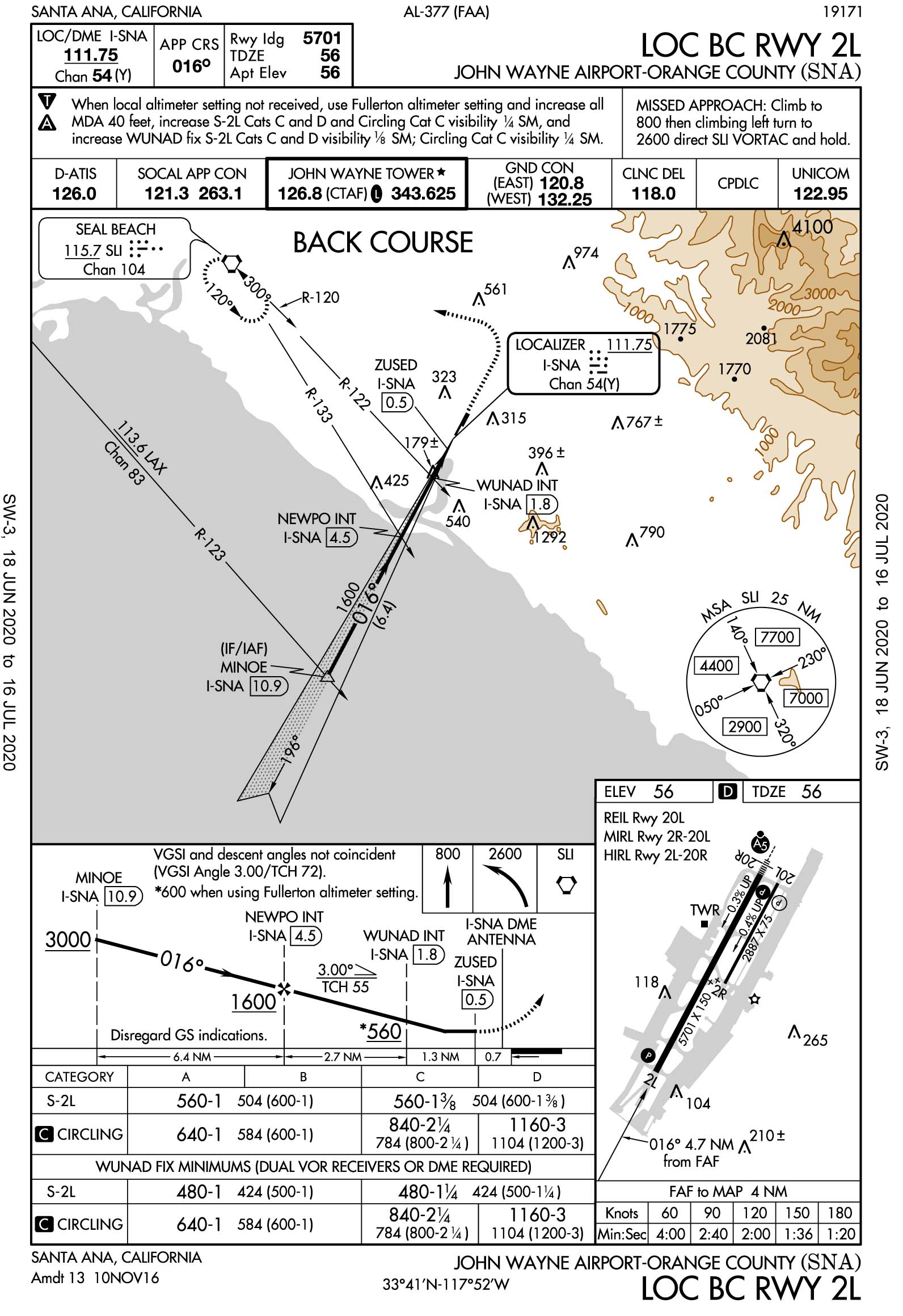
Making Sense of the BackCourse Approach How to prepare before you
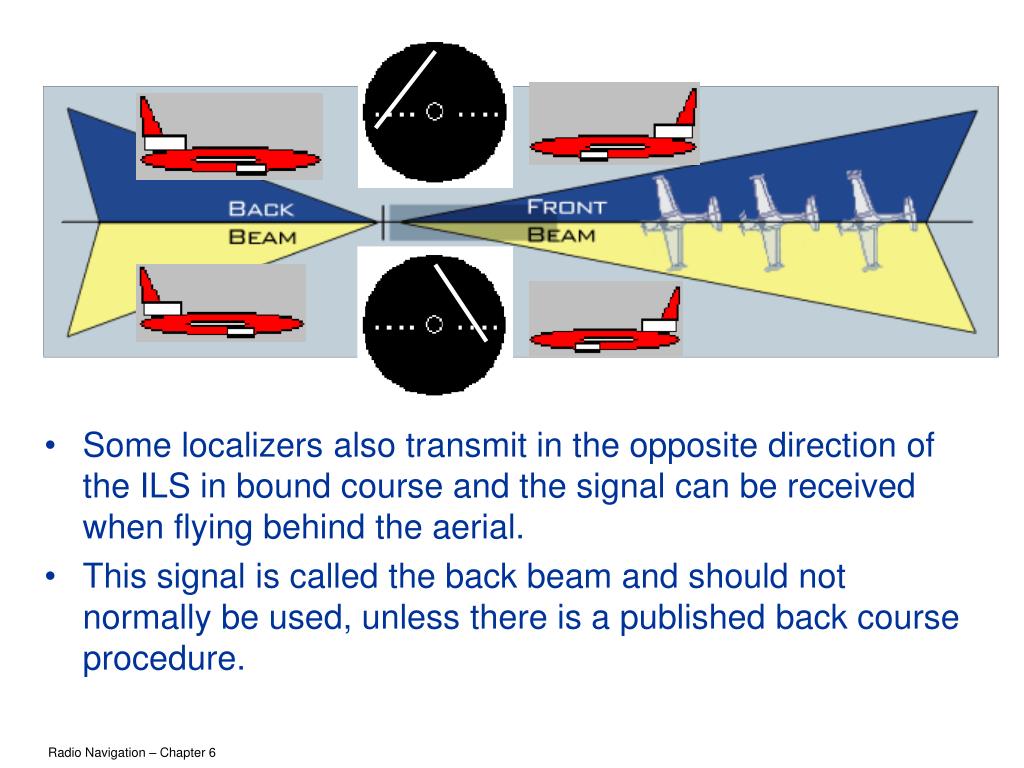
PPT Instrument Landing System ILS PowerPoint Presentation, free

How To Fly A Localizer Back Course Approach Boldmethod Aviation

How To Fly A Localizer Back Course Approach By Swayne Martin 03/24

How To Fly A Localizer Back Course Approach Aviation education
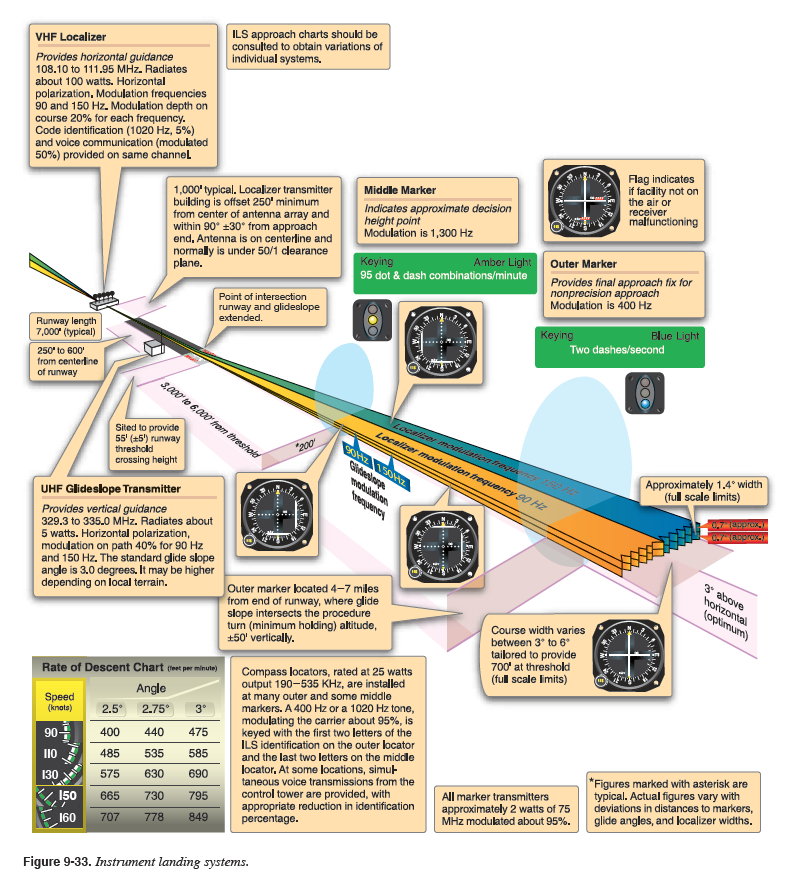
landing What is a localiser backcourse approach and how does it work

Localizer Back Course ( LOC BC ) Tutorial with NAVIGRAPH YouTube
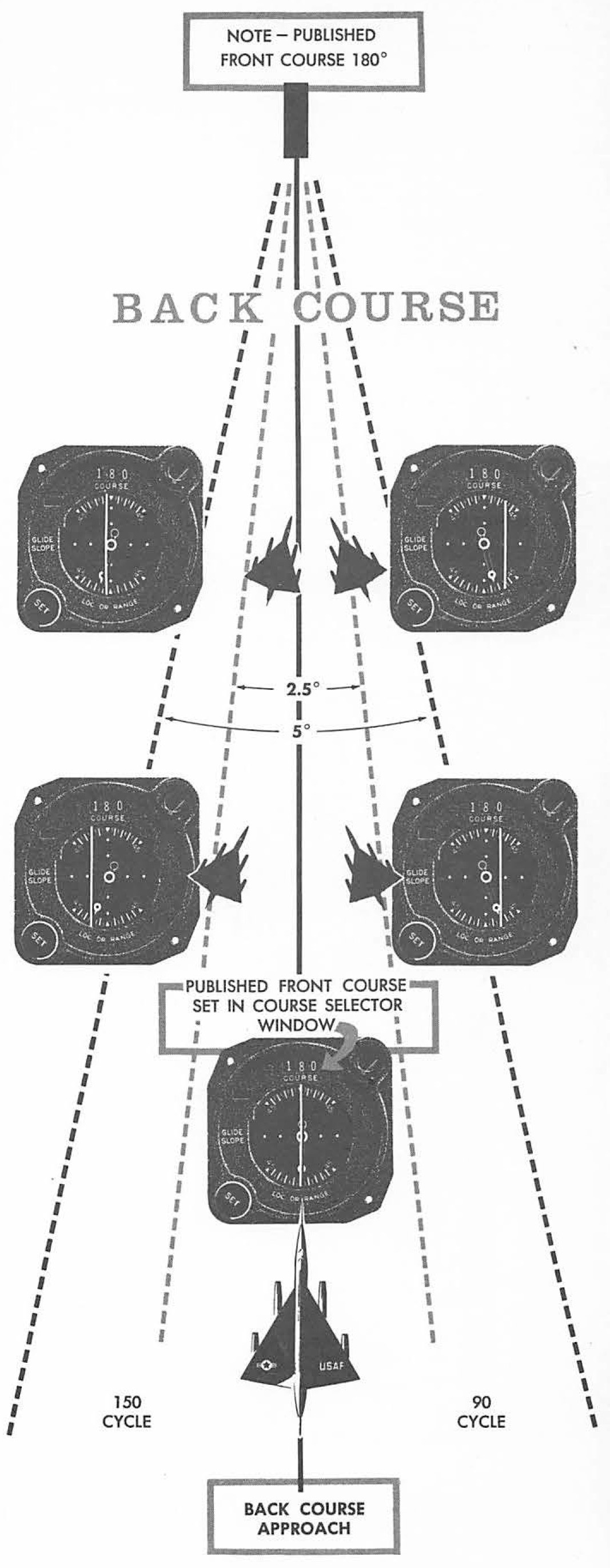
Back Course Localizer

How To Fly A Localizer Back Course Approach Boldmethod
A Localizer Sends Out A Signal In Two Directions, The One Opposite To The Approach To The Runway Is The Back Course, And It Can Also Be Used For Lateral Navigation, Though The.
An Older Aircraft Without An Ils Receiver Cannot Take Advantage Of Any Ils F…
You’re Outbound On The Localizer Back Course.
A Localizer (Loc) (Above Left) Transmits Vhf Signals (108.1 Mhz To 111.95 Mhz) To Provide Aircraft With Lateral Guidance That Allows Pilots To Ensure Their Aircraft Is Properly.
Related Post: