
Courses Required For Bsn
Courses Required For Bsn - Explore bsn pathways, requirements, and jobs after graduation. The rn to bsn curriculum includes 120 credits and incorporates all rowan university requirements for the degree award. Before entering a bsn program, students will need to complete certain educational requirements, including; Associate degree or nursing diploma: If you are a practicing rn and cannot attend full time, you still have. What is a bsn degree? We review bsn degree requirements, including time commitment, program costs, clinical hours, and coursework students can expect. Bsn programs require you to complete clinical rotations. Getting a bachelor’s degree in nursing is quickly becoming a requirement. In guidedpath, the number of courses you take in a quarter and time it takes to complete your program can vary. As a student in the rn to bsn program, you will complete three assignments per course, and you will not be required to take any exams — your proficiency is evaluated only through your coursework. Explore our list of bsn classes, from fundamental to advanced. If you’re thinking about becoming a nurse, a bachelor of science in nursing (bsn) will provide you with the level of education many employers expect their registered nurses (rns) to have. One way to achieve a career in nursing is to earn a bachelor of science in nursing (bsn) degree. Your academic coach can help answer any course registration questions. The rn to bsn curriculum includes 120 credits and incorporates all rowan university requirements for the degree award. Most rn to bsn programs require an associate degree in nursing from an accredited institution. Clinicals in the bsn encompass a wide array of patient care facilities. Associate degree or nursing diploma: What is a bsn degree? Education and training are rigorous, so passion is critical. These set you up as a student to be able to handle the rigors of the didactics of nursing school. What is a bsn degree? What are some of the required classes in these programs? A bsn program is a bachelor’s degree in nursing designed to provide you with the knowledge. Getting a bachelor’s degree in nursing is quickly becoming a requirement. Passing a national exam is required to get licensed to practice. Associate degree or nursing diploma: Most programs require students to have completed relevant foundation courses, such as. While you can pursue various educational pathways in nursing, a bsn degree is the preferred educational qualification by many employers. By earning a bachelor of science in nursing (bsn) or an associate degree in nursing (adn). We review bsn degree requirements, including time commitment, program costs, clinical hours, and coursework students can expect. Check the admission requirements of programs to ensure you meet the prerequisite criteria. Accelerated bsn (absn) program length: There are two ways to become a registered nurse. Bsn course requirements can vary, but there are certain classes you’ll need to graduate. High school diploma, basic science and math courses Explore bsn pathways, requirements, and jobs after graduation. We review bsn degree requirements, including time commitment, program costs, clinical hours, and coursework students can expect. Our 100% online programs use leading education technologies that are simple to navigate,. Prerequisite classes for nursing school are specific course requirements that you need prior to applying to nursing programs. The program prepares graduates for success in diverse healthcare settings through rigorous academic and practical training. To enroll in an rn to bsn program, applicants generally need to meet the following requirements: Passing a national exam is required to get licensed to. As a student in the rn to bsn program, you will complete three assignments per course, and you will not be required to take any exams — your proficiency is evaluated only through your coursework. A traditional bsn degree provides two years of prerequisite courses and general education courses followed by another two years of nursing classes and clinical rotations.. Explore our list of bsn classes, from fundamental to advanced. What are some of the required classes in these programs? It is the most common way to get a bsn. There are two ways to become a registered nurse (rn): Before you can decide which. Associate degree or nursing diploma: These set you up as a student to be able to handle the rigors of the didactics of nursing school. Learn critical thinking, communication, and leadership to provide holistic client care. A bsn program is a bachelor’s degree in nursing designed to provide you with the knowledge you need to become a successful registered nurse. In guidedpath, the number of courses you take in a quarter and time it takes to complete your program can vary. Bsn programs require you to complete clinical rotations. Your academic coach can help answer any course registration questions. Here is an overview of each one: Successful completion of a high school diploma is a necessary step before applying to. The utrgv bachelor of science in nursing (bsn) program offers comprehensive training to develop skilled, culturally competent nurses. Successful completion of a high school diploma is a necessary step before applying to a bsn program. To enroll in an rn to bsn program, applicants generally need to meet the following requirements: It is the most common way to get a. Education and training are rigorous, so passion is critical. What is a bsn degree? Here, you will learn everything you need to know about bsn programs, what is involved with earning this degree, and what you can expect after completion. The rn to bsn curriculum includes 120 credits and incorporates all rowan university requirements for the degree award. Before entering a bsn program, students will need to complete certain educational requirements, including; Please note that if you hold a bachelor's degree in another subject, you may be able to complete an accelerated bsn program to earn your bsn more quickly. Most rn to bsn programs require an associate degree in nursing from an accredited institution. One way to achieve a career in nursing is to earn a bachelor of science in nursing (bsn) degree. Associate degree or nursing diploma: If you want to become a registered nurse (rn) you should consider earning a bachelor of science in nursing (b.s.n.) degree from an accredited institution. While you can pursue various educational pathways in nursing, a bsn degree is the preferred educational qualification by many employers. Those who haven’t gotten their degree yet may wonder what to expect in a nursing program. Prerequisite classes for nursing school are specific course requirements that you need prior to applying to nursing programs. A traditional bsn degree provides two years of prerequisite courses and general education courses followed by another two years of nursing classes and clinical rotations. The number of hours you must complete, however, largely depends on the state your program is based in. Bsn course requirements can vary, but there are certain classes you’ll need to graduate.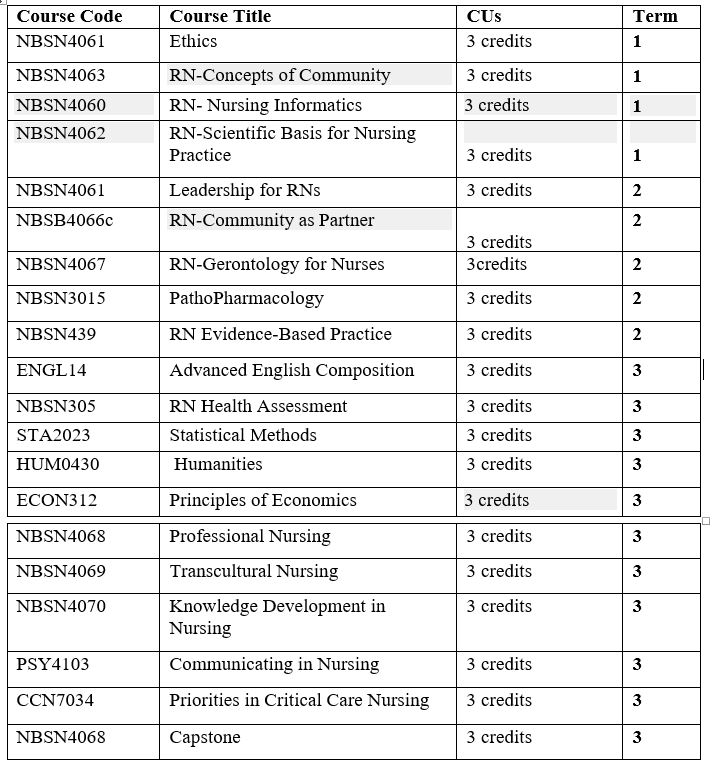
RN to BSN Course Descriptions J & J Healthcare Institute

BSN Basic Track Curriculum

BSN Curriculum American National University
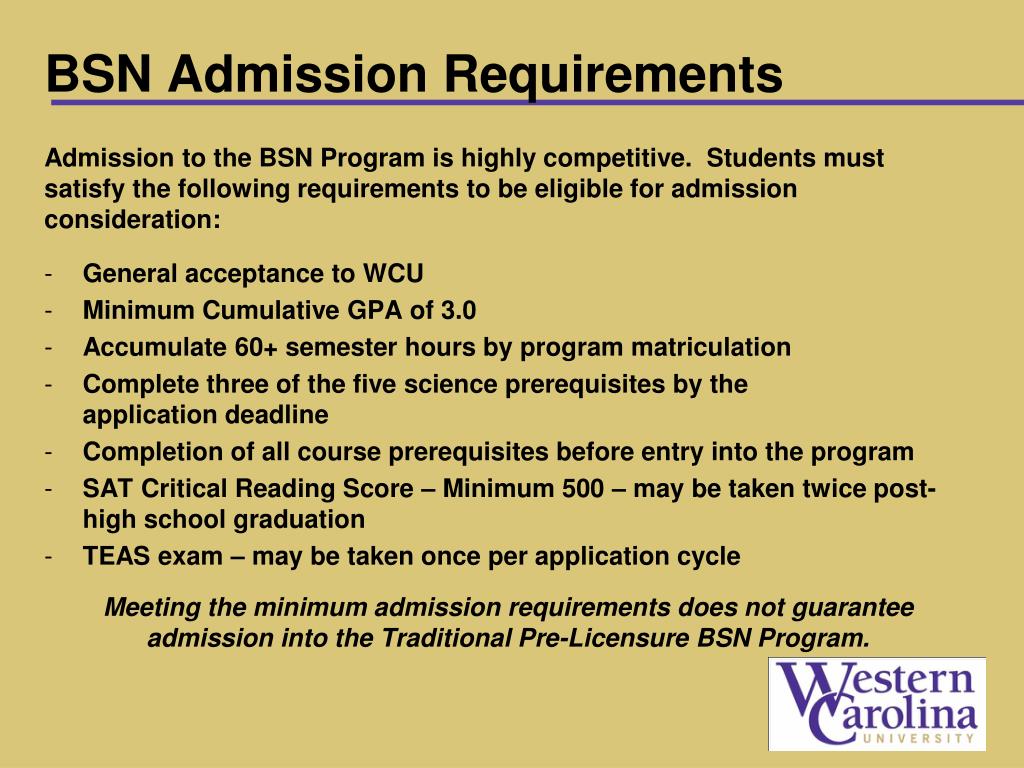
PPT School of Nursing PowerPoint Presentation, free download ID1127174
BSN Courses PDF

BSN Curriculum American National University
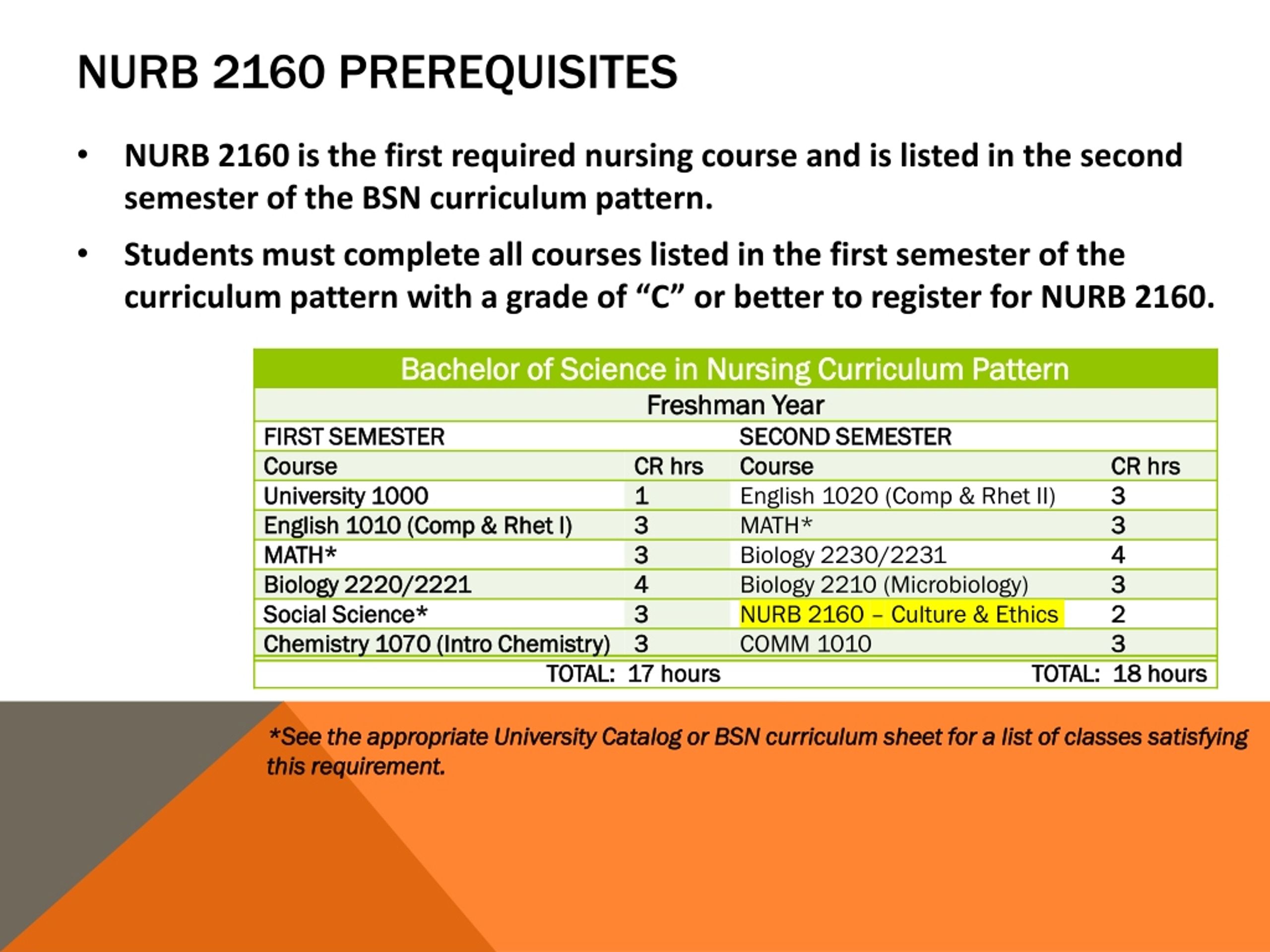
PPT BSN Curriculum PowerPoint Presentation, free download ID8155202
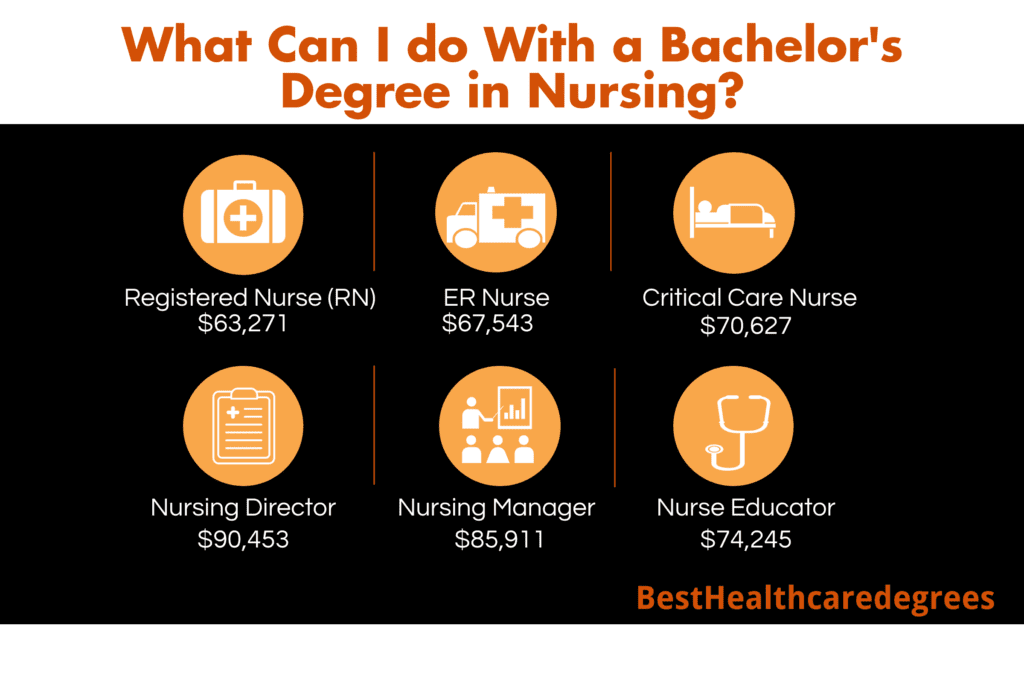
What are BSN Career Options for RNs? The Best Health Degrees
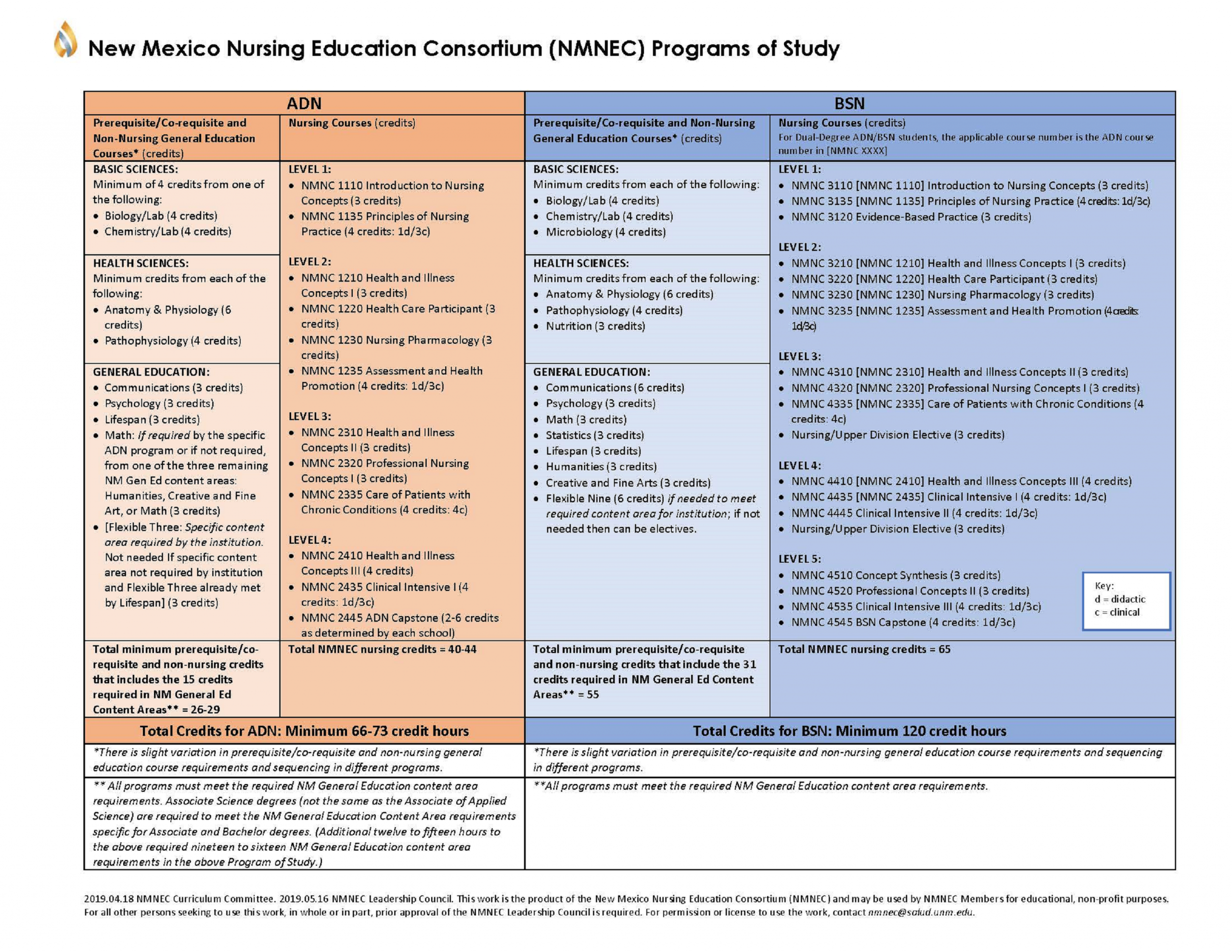
Bsn Nursing Programs

RNBSN Program Requirements
High School Diploma, Basic Science And Math Courses
Most Programs Require Students To Have Completed Relevant Foundation Courses, Such As.
Our 100% Online Programs Use Leading Education Technologies That Are Simple To Navigate, Supported By Personalized Attention, And Foster Meaningful Connections With Faculty And Fellow Students.
These Set You Up As A Student To Be Able To Handle The Rigors Of The Didactics Of Nursing School.
Related Post:
