
Course Objectives Vs Learning Outcomes
Course Objectives Vs Learning Outcomes - They focus on the measurable. Learning outcomes and objectives may. Student learning outcomes build upon, but are different from, course or program objectives and goals because they represent a new perspective. If the outcomes for your course are not measurable, you. Learning outcomes are specific statements of what students will be able to do when they successfully complete a learning experience (whether it's a project, course or program). Teaching objectives center on your. Clarify the difference between course learning outcomes and objectives. Find out how to enhance your. Both are essential components of effective teaching and. Carolina core courses must use the approved learning outcomes without modification, even if they are unclear or not measurable. Teaching objectives center on your. Understand their impact on student engagement and success. When designing a course, understanding the distinction between course learning objectives and module learning outcomes is essential for creating a cohesive and effective. Objectives describe the intended learning process, while outcomes focus on the demonstrable results. Is it as simple as that? The assessment method one chooses is driven by the thinking skills articulated in the learning outcome to be measured. Overall, learning objectives determine what the course will have provided to the student. Learning outcomes define the desired results of the training, while learning objectives tell you what to include in the training to reach those results. Clarify the difference between course learning outcomes and objectives. They focus not just on the immediate skills,. Student learning outcomes build upon, but are different from, course or program objectives and goals because they represent a new perspective. While learning objectives focus on what students should be able to do, learning outcomes focus on what students have actually done. Learning outcomes, like instructional objectives, describe what students are expected to learn, but they are broader in scope.. Learning outcomes are specific statements of what students will be able to do when they successfully complete a learning experience (whether it's a project, course or program). Clarify the difference between course learning outcomes and objectives. When designing a course, understanding the distinction between course learning objectives and module learning outcomes is essential for creating a cohesive and effective. Outcomes. The assessment method one chooses is driven by the thinking skills articulated in the learning outcome to be measured. A learning outcome describes the overall purpose or goal from participation in an educational activity. Course outcomes, on the other hand, are specific statements that describe what students should be able to do upon completing the course. Both learning outcomes and. While learning objectives focus on what students should be able to do, learning outcomes focus on what students have actually done. Overall, learning objectives determine what the course will have provided to the student. Objectives are collections of words and/or pictures and diagrams intended to let others know what you intend for your students to achieve. Learning objectives tell you. Several objectives may align with and support a single learning outcome. Outcomes are broader than objectives in the sense they apply to an entire course. Learning outcomes and objectives may. Understand their impact on student engagement and success. Objectives represent valuable skills, tools, or. Learning outcomes are specific statements of what students will be able to do when they successfully complete a learning experience (whether it's a project, course or program). When designing a course, understanding the distinction between course learning objectives and module learning outcomes is essential for creating a cohesive and effective. The important distinction is that with learning outcomes, the descriptive. Several objectives may align with and support a single learning outcome. Learning objectives tell you what the teacher plans to cover, while learning outcomes show what students should be able to do afterward. If the outcomes for your course are not measurable, you. The assessment method one chooses is driven by the thinking skills articulated in the learning outcome to. Learning objectives tell you what the teacher plans to cover, while learning outcomes show what students should be able to do afterward. Outcomes are broader than objectives in the sense they apply to an entire course. Find out how to enhance your. A learning outcome describes the overall purpose or goal from participation in an educational activity. Learning outcomes are. They focus not just on the immediate skills,. Learning outcomes are what is hoped students will learn along their journey and are often precise, specific, and measurable. Learning outcomes are specific statements of what students will be able to do when they successfully complete a learning experience (whether it's a project, course or program). Both learning outcomes and learning objectives. Learning objectives tell you what the teacher plans to cover, while learning outcomes show what students should be able to do afterward. Objectives are collections of words and/or pictures and diagrams intended to let others know what you intend for your students to achieve. While learning objectives focus on what students should be able to do, learning outcomes focus on. Student learning outcomes build upon, but are different from, course or program objectives and goals because they represent a new perspective. They are generally less broad that goals and more broad than student learning outcomes. Learning objectives tell you what the teacher plans to cover, while learning outcomes show what students should be able to do afterward. Depending on whether the assessment is formative or summative,. Find out how to enhance your. Overall, learning objectives determine what the course will have provided to the student. Course objectives are often very specific. Teaching objectives center on your. Understanding and applying these concepts correctly ensures that your courses meet. Clarify the difference between course learning outcomes and objectives. When designing a course, understanding the distinction between course learning objectives and module learning outcomes is essential for creating a cohesive and effective. Learning outcomes define the desired results of the training, while learning objectives tell you what to include in the training to reach those results. • they are related to intended outcomes, rather than. Learning outcomes are specific statements of what students will be able to do when they successfully complete a learning experience (whether it's a project, course or program). Learning outcomes, like instructional objectives, describe what students are expected to learn, but they are broader in scope. Is it as simple as that?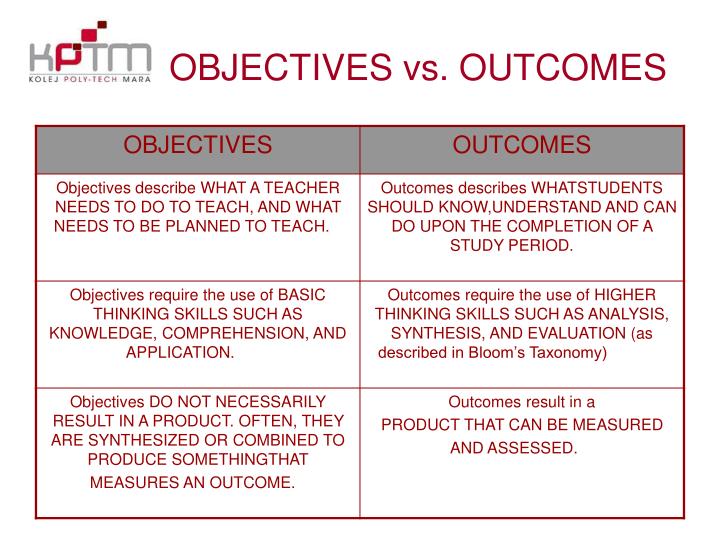
PPT Briefing on Education (OBE ) PowerPoint

Assessmentbased Planning A Systems Approach ppt download
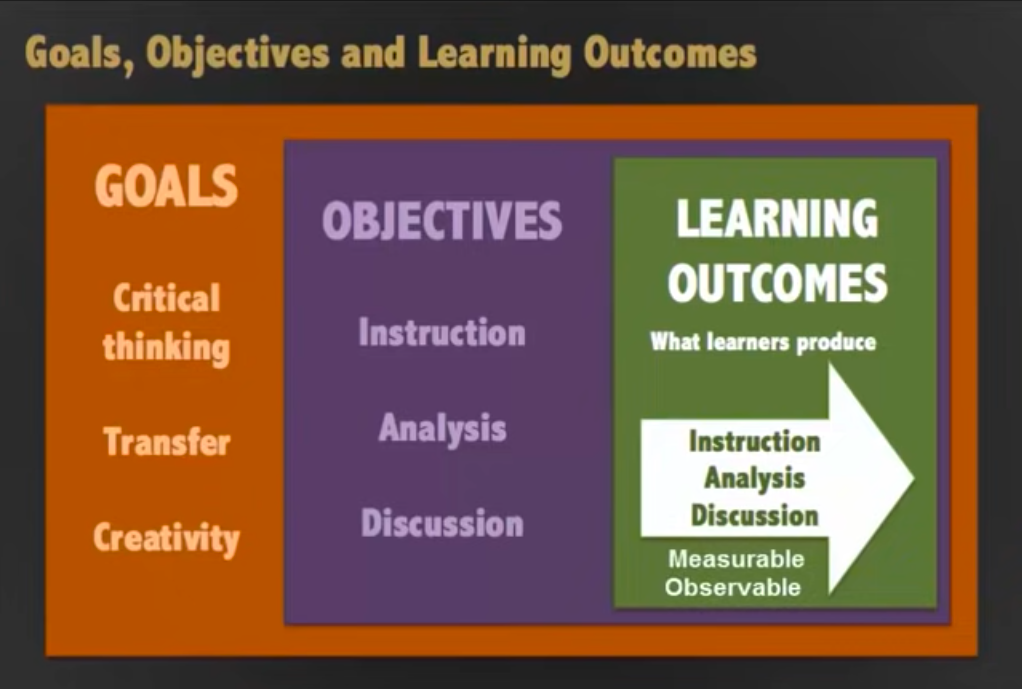
Goals, Objectives, and Learning teachingjournal
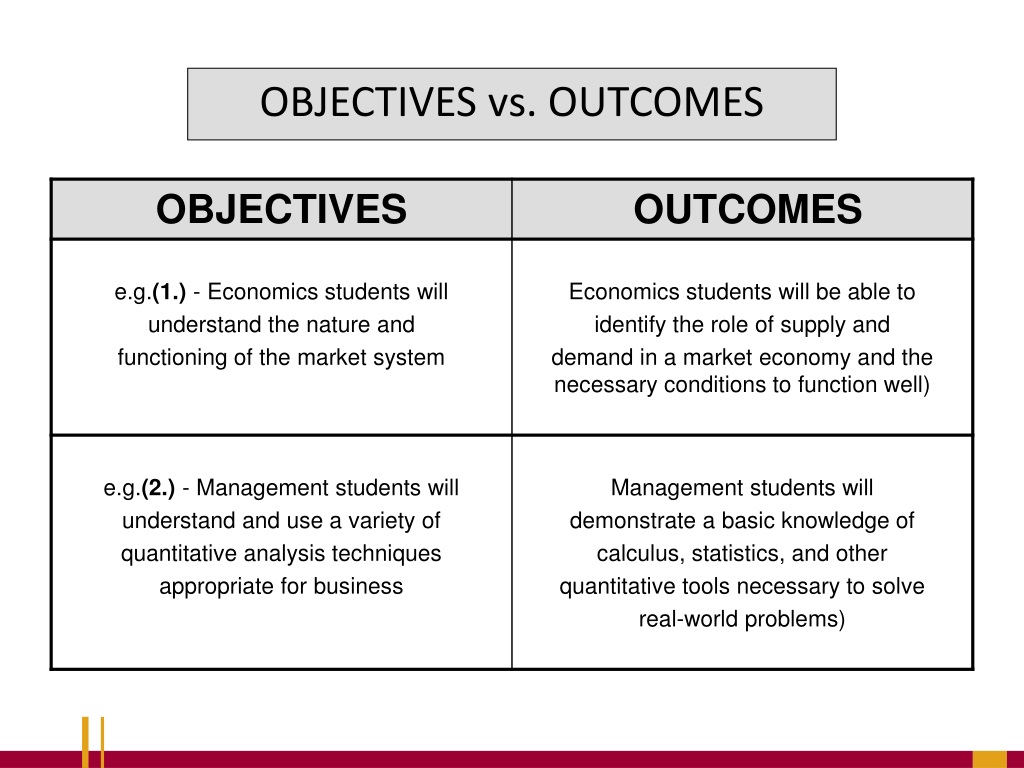
PPT Learning and Learning Domains PowerPoint Presentation
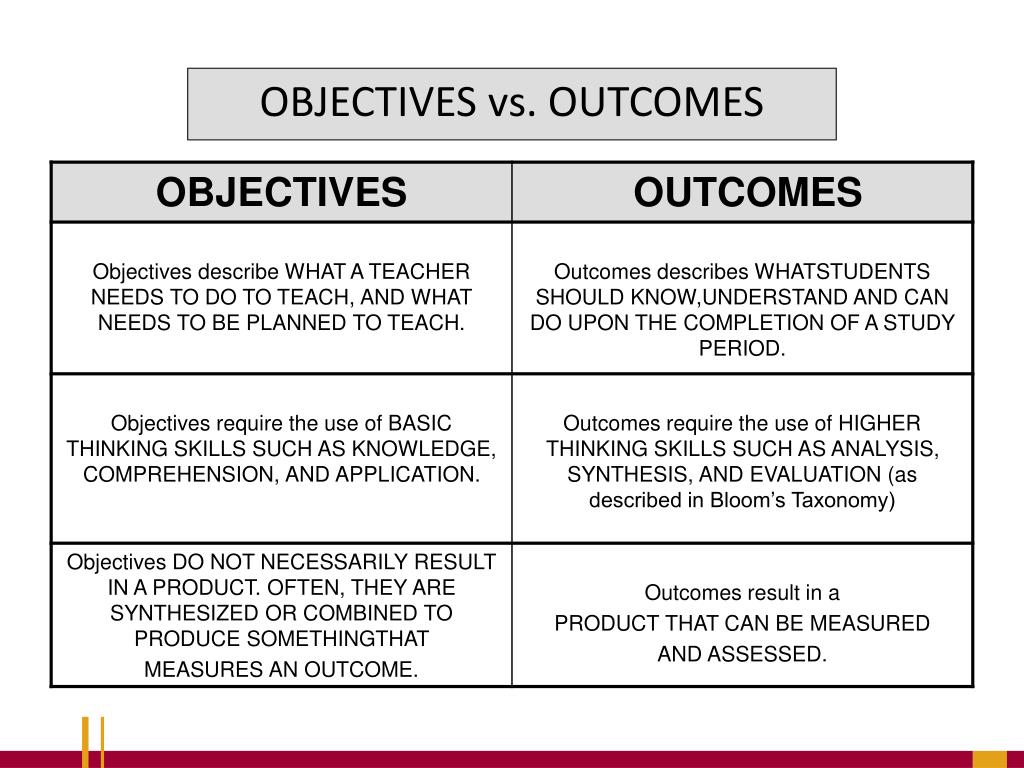
PPT Learning and Learning Domains PowerPoint Presentation
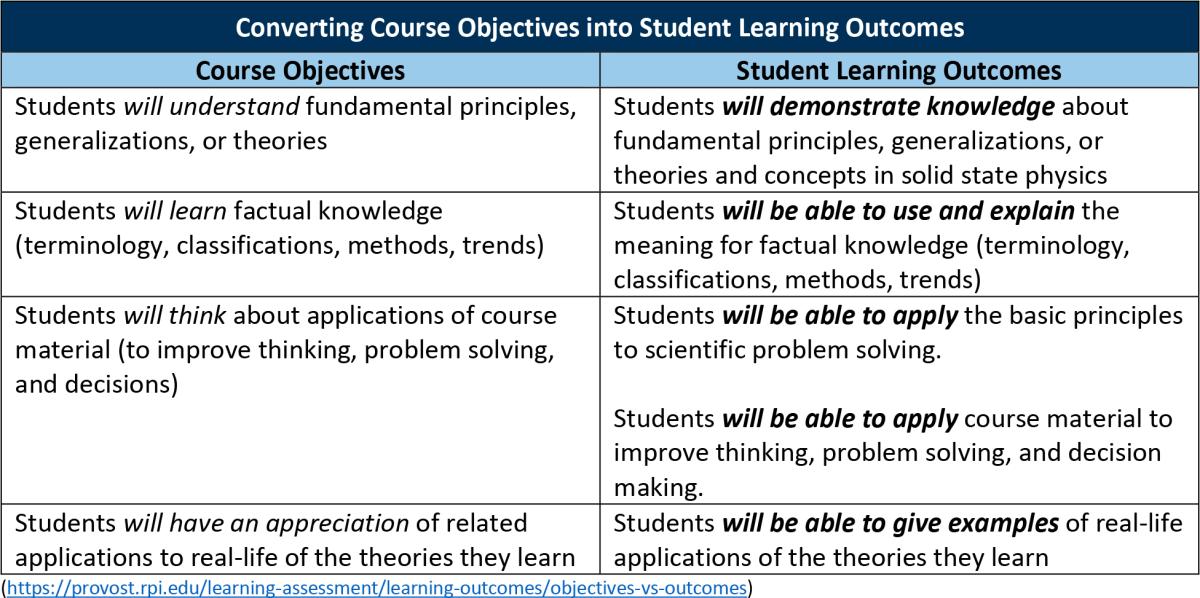
Student Learning The University of New Orleans
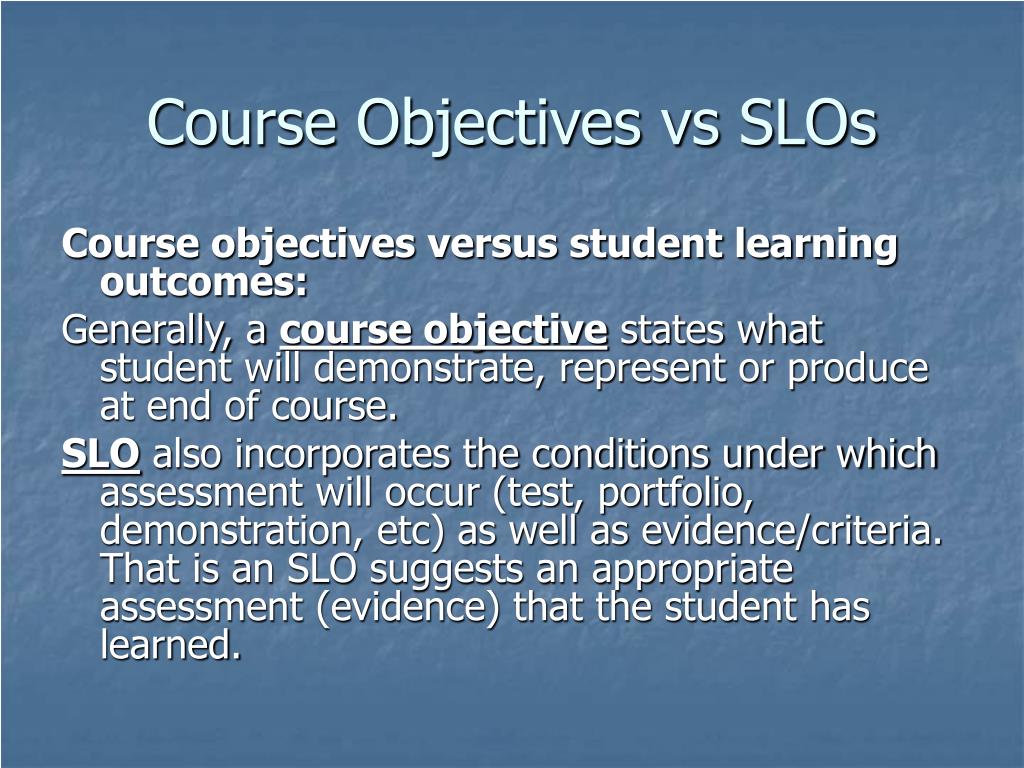
PPT Student Learning 101 PowerPoint Presentation, free
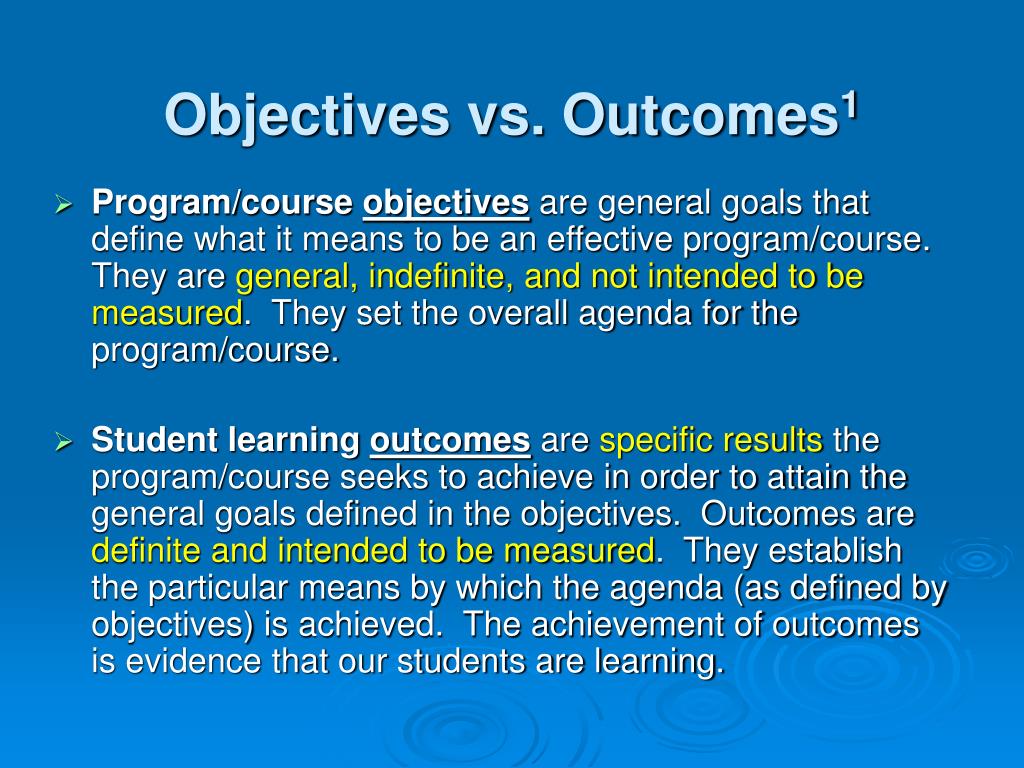
PPT Developing CourseLevel Learning Enhancing Learning
Learning Objectives Vs Learning Examples Ppt Powerpoint
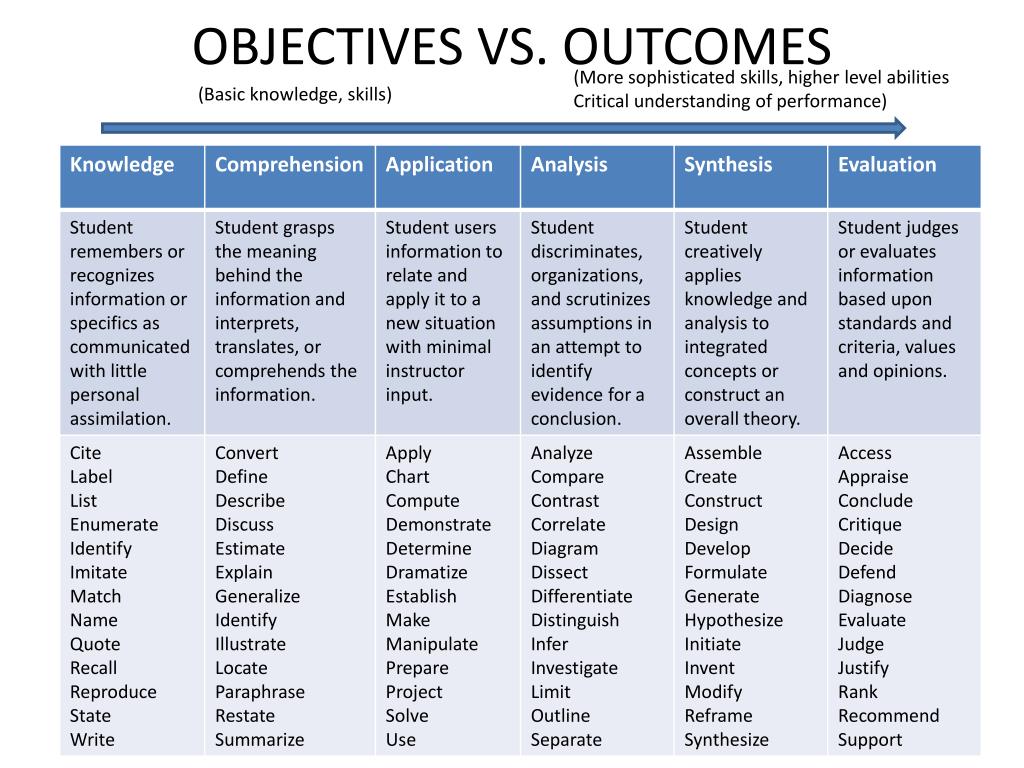
PPT OBJECTIVES VS. PowerPoint Presentation, free download
The Important Distinction Is That With Learning Outcomes, The Descriptive Statement Focuses On What The Student Can Do To Demonstrate Their Learning.
Both Learning Outcomes And Learning Objectives Are Used To Gauge The Effectiveness.
Pspo Ii Certification Is Evidence That You Have Demonstrated An Advanced Level Of Product Ownership Knowledge And Understanding Of How The Scrum Framework Can Support The.
The Assessment Method One Chooses Is Driven By The Thinking Skills Articulated In The Learning Outcome To Be Measured.
Related Post: