
Are Golf Courses Bad For The Environment
Are Golf Courses Bad For The Environment - Golf courses can harm the environment a lot. Golf courses, by their very nature, are heavily modified landscapes. Are golf courses bad for the environment? Golf courses have long been a topic of environmental debate. With over 38,000 courses worldwide, their effects are huge. While golf courses can sometimes be detrimental to the environment, there are. From excessive water consumption to chemical runoff, habitat destruction, and greenhouse gas. In the united states, 16,000 golf courses use 1.5 billion gallons of water. Those benefits often equal or exceed what is. The usga’s director of turfgrass and. The good news is, reality is not the same as reputation, and changing public perception does not require spin. If you are interested in learning about golf course construction and the factors that determine their. Most golfers see and experience the environmental benefits of golf courses on a regular basis, but the relationship between golf and the environment isn’t always well. We often hear concerns about their water usage, chemical runoff, and impact on local ecosystems. This modification can lead to a variety of environmental concerns, some more significant than. While golf courses can sometimes be detrimental to the environment, there are. With over 38,000 courses worldwide, their effects are huge. Those benefits often equal or exceed what is. Golf courses are bad for the environment because they require a lot of water, chemicals, and pesticides, and they can contribute to climate change. Golf courses can harm the environment a lot. With over 38,000 courses worldwide, their effects are huge. If you are interested in learning about golf course construction and the factors that determine their. In the united states, 16,000 golf courses use 1.5 billion gallons of water. The usga’s director of turfgrass and. This modification can lead to a variety of environmental concerns, some more significant than. The good news is, reality is not the same as reputation, and changing public perception does not require spin. Golf courses, by their very nature, are heavily modified landscapes. This modification can lead to a variety of environmental concerns, some more significant than. In the united states, 16,000 golf courses use 1.5 billion gallons of water. Golf courses have long. Golf courses are bad for the environment because they require a lot of water, chemicals, and pesticides, and they can contribute to climate change. Most golfers see and experience the environmental benefits of golf courses on a regular basis, but the relationship between golf and the environment isn’t always well. From excessive water consumption to chemical runoff, habitat destruction, and. While golf courses can sometimes be detrimental to the environment, there are. Are golf courses bad for the environment? Golf courses, by their very nature, are heavily modified landscapes. In the united states, 16,000 golf courses use 1.5 billion gallons of water. The good news is, reality is not the same as reputation, and changing public perception does not require. The negative impacts of golf courses on the environment are undeniable. From excessive water consumption to chemical runoff, habitat destruction, and greenhouse gas. Most golfers see and experience the environmental benefits of golf courses on a regular basis, but the relationship between golf and the environment isn’t always well. Golf courses, by their very nature, are heavily modified landscapes. Golf. Are golf courses bad for the environment? Those benefits often equal or exceed what is. Most golfers see and experience the environmental benefits of golf courses on a regular basis, but the relationship between golf and the environment isn’t always well. While golf courses can sometimes be detrimental to the environment, there are. In the united states, 16,000 golf courses. With over 38,000 courses worldwide, their effects are huge. Golf courses are bad for the environment because they require a lot of water, chemicals, and pesticides, and they can contribute to climate change. Golf courses can harm the environment a lot. This modification can lead to a variety of environmental concerns, some more significant than. While golf courses can sometimes. The usga’s director of turfgrass and. On the whole, the answer is no, golf courses are not bad for the environment. The normal impact of greens, which are consistently depicted with verdant fairways and unadulterated scenes, has for a long while. Golf courses have long been a topic of environmental debate. Golf courses are bad for the environment because they. We often hear concerns about their water usage, chemical runoff, and impact on local ecosystems. There is a huge amount of debate over whether golf is bad for the environment. The good news is, reality is not the same as reputation, and changing public perception does not require spin. Those benefits often equal or exceed what is. Golf courses, by. If you are interested in learning about golf course construction and the factors that determine their. Are golf courses bad for the environment? Most golfers see and experience the environmental benefits of golf courses on a regular basis, but the relationship between golf and the environment isn’t always well. From excessive water consumption to chemical runoff, habitat destruction, and greenhouse. On the whole, the answer is no, golf courses are not bad for the environment. From excessive water consumption to chemical runoff, habitat destruction, and greenhouse gas. While golf courses can sometimes be detrimental to the environment, there are. We often hear concerns about their water usage, chemical runoff, and impact on local ecosystems. Golf courses, by their very nature, are heavily modified landscapes. In the united states, 16,000 golf courses use 1.5 billion gallons of water. This modification can lead to a variety of environmental concerns, some more significant than. With over 38,000 courses worldwide, their effects are huge. There is a huge amount of debate over whether golf is bad for the environment. The usga’s director of turfgrass and. Are golf courses bad for the environment? Golf courses have long been a topic of environmental debate. The negative impacts of golf courses on the environment are undeniable. The good news is, reality is not the same as reputation, and changing public perception does not require spin. Golf courses are bad for the environment because they require a lot of water, chemicals, and pesticides, and they can contribute to climate change. The normal impact of greens, which are consistently depicted with verdant fairways and unadulterated scenes, has for a long while.
Are Golf Courses Harmful To The Environment? Key Facts And Insights
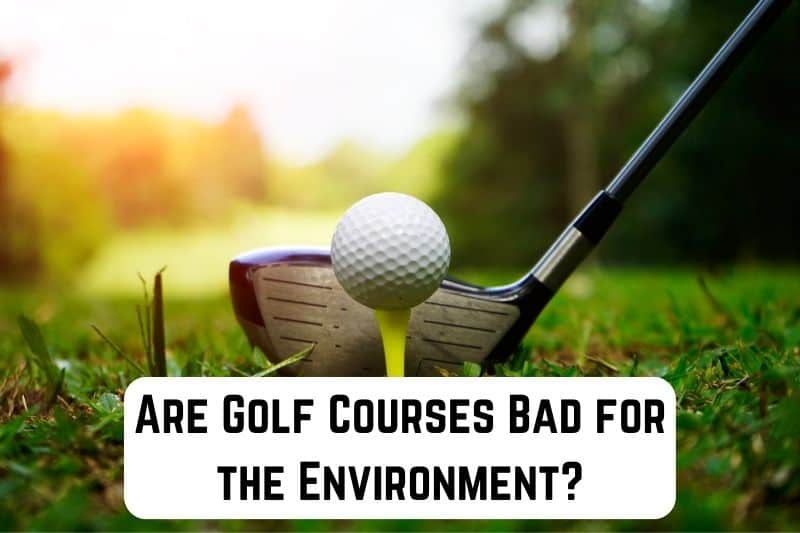
Are Golf Courses Bad for the Environment? (We Think So) Conserve
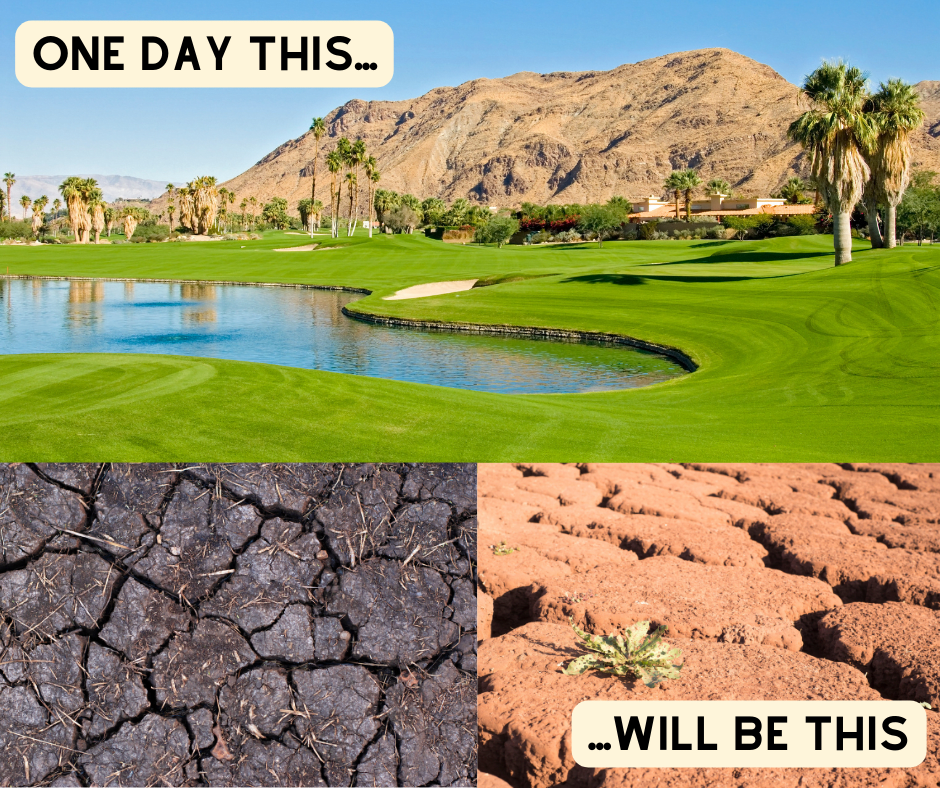
Six Ways Golf Courses Hurt the Environment Take Action

Are Golf Courses Bad for the Environment (or Good)? • Honest Golfers
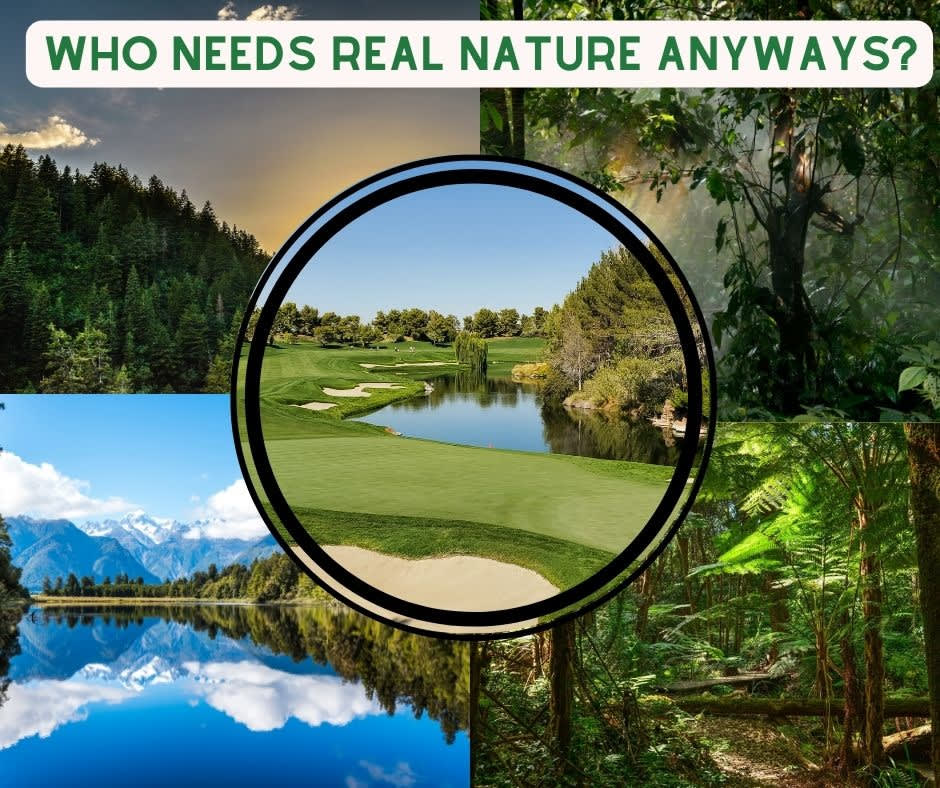
Six Ways Golf Courses Hurt the Environment Take Action
Are Golf Courses Bad for the Environment? Golf Span
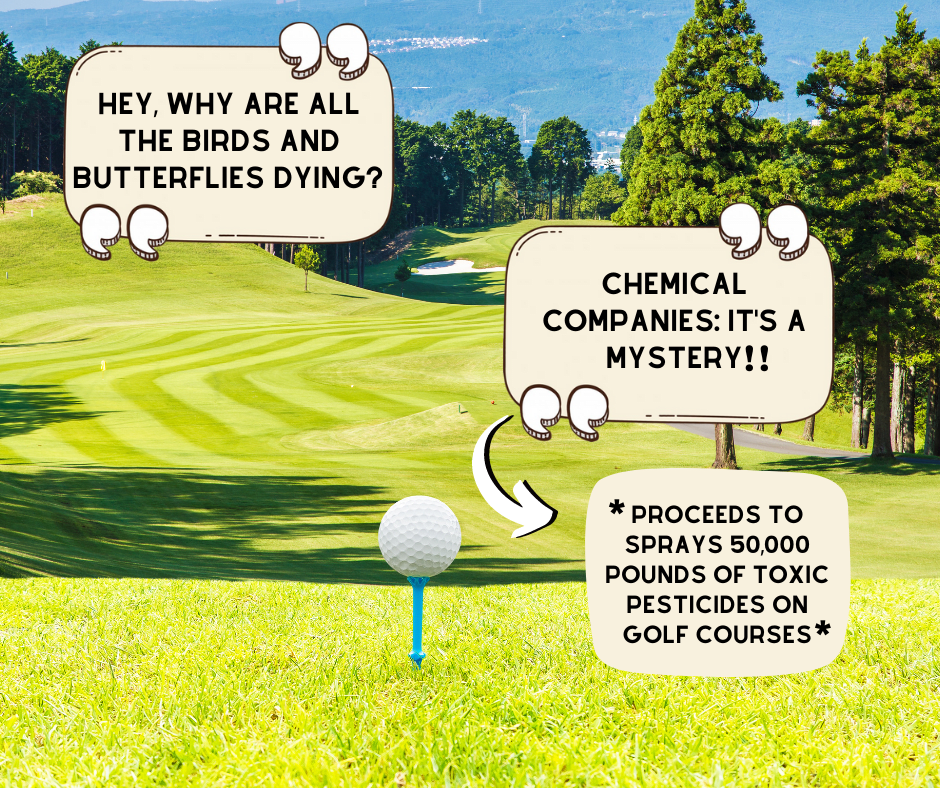
Six Ways Golf Courses Hurt the Environment Take Action
Are Golf Courses Bad For The Environment PDF Sustainability Lawn
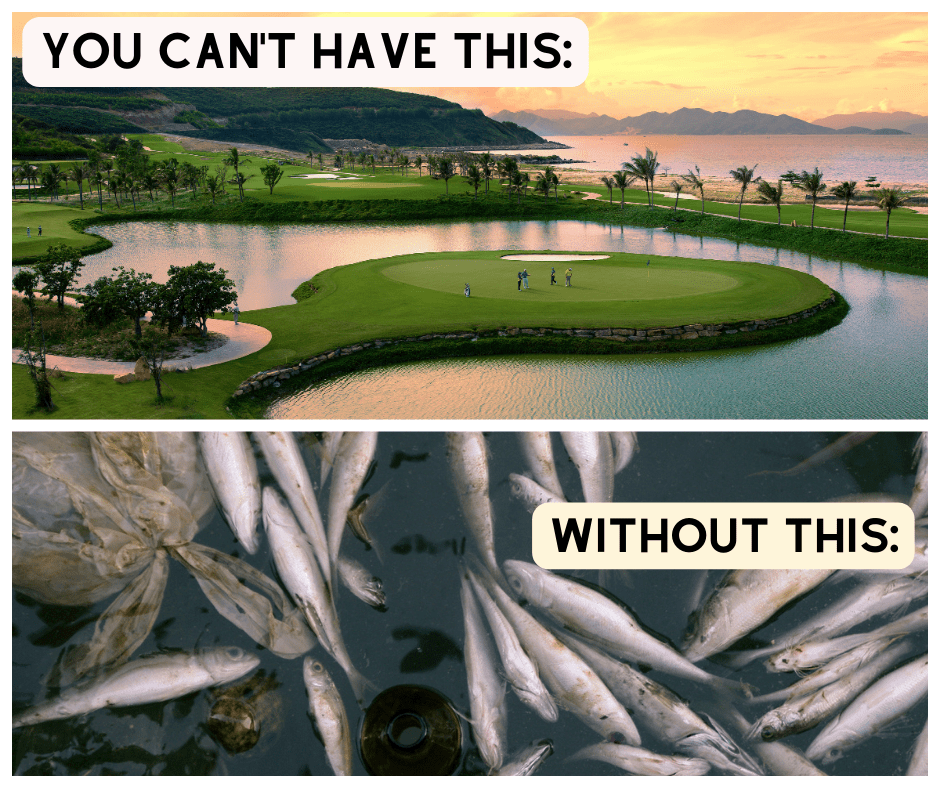
Six Ways Golf Courses Hurt the Environment Take Action

Impact of Golf Courses on the Environment A Closer Look
Golf Courses Can Harm The Environment A Lot.
Most Golfers See And Experience The Environmental Benefits Of Golf Courses On A Regular Basis, But The Relationship Between Golf And The Environment Isn’t Always Well.
Those Benefits Often Equal Or Exceed What Is.
If You Are Interested In Learning About Golf Course Construction And The Factors That Determine Their.
Related Post:
